


Traore Emphasises Constitutional Supremacy, Rejects Religious Law in Burkina Faso
Burkina Faso’s transitional leader, Captain Ibrahim Traore, has reaffirmed the country’s commitment to a secular system of governance, stating that national laws remain superior to any religious framework.
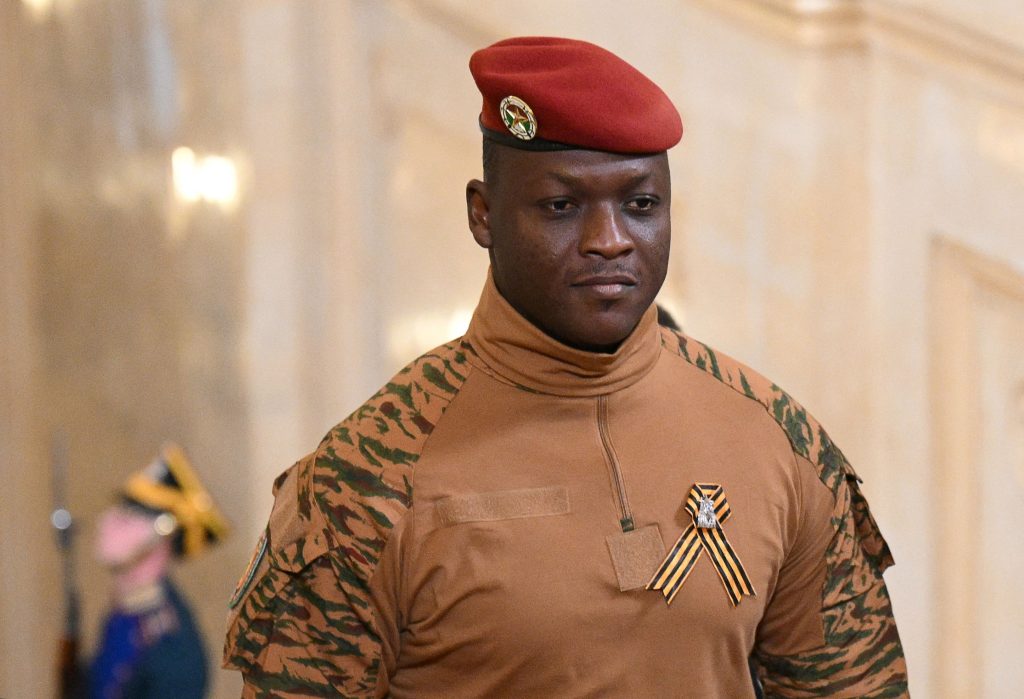
His remarks, delivered amid ongoing discussions on national identity and governance, stressed that the constitution serves as the ultimate authority in the country. He maintained that no religious code would be allowed to override established state laws.
The position has generated varied reactions among citizens and observers. While some have welcomed the stance as a reinforcement of state sovereignty and unity, others have raised concerns about its implications for religious expression in a country known for its diverse faith communities.
Traore also addressed the influence of foreign religious teachings, noting that ideas acquired outside the country should not conflict with domestic legal and social norms. He underscored the expectation that all citizens adhere to the nation’s laws regardless of personal beliefs.
In addition, the leader reiterated his administration’s opposition to religious extremism, warning against any attempt to impose ideologies that could threaten stability or national cohesion.
The development comes as Burkina Faso continues to grapple with security challenges linked to insurgent activities. Analysts say the renewed focus on constitutional authority reflects broader efforts to promote unity and maintain order in a period of political and security uncertainty.
