


U.S.-Iran War: Kenya Faces Potential $800 Million Loss From Oil Price Surge
Kenya could suffer economic losses of up to $800 million if elevated global oil prices triggered by the ongoing U.S.-Iran conflict persist through the end of the year, according to government estimates, highlighting the growing economic fallout of the Middle East crisis for oil-importing nations.
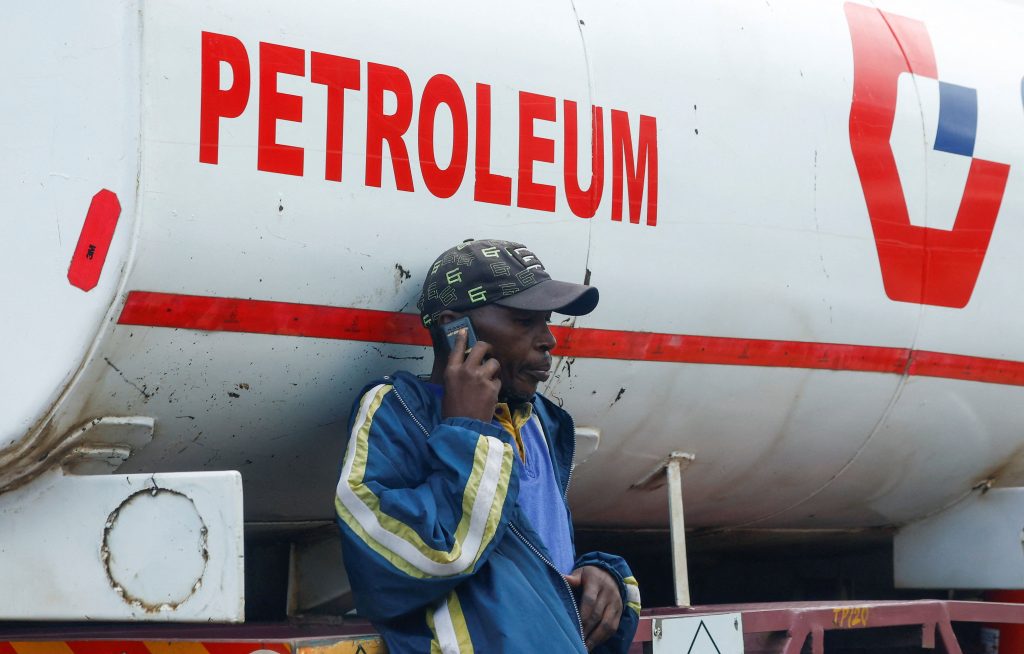
Kenya’s National Treasury estimates that the country has already incurred losses of about $340 million since the conflict disrupted global energy markets. Officials warn that the figure could climb to $800 million if crude oil prices remain high, placing additional pressure on inflation, transport costs and the country’s import bill.
Kenya imports all of its petroleum products, making its economy particularly vulnerable to fluctuations in global oil prices. The surge has been driven by concerns over supply disruptions in the Middle East, particularly around the Strait of Hormuz, a strategic waterway through which roughly one-fifth of the world’s oil supply passes.
Higher fuel prices are expected to increase the cost of transportation, electricity generation and food production, with economists warning that sustained increases could slow economic growth and raise the cost of living for households and businesses. The impact could also extend to key export sectors such as horticulture and manufacturing, which rely heavily on affordable energy and transport.
The warning comes as global oil markets remain volatile amid uncertainty over the trajectory of the U.S.-Iran conflict. Brent crude rose again on Friday after renewed concerns over stalled peace efforts and potential threats to shipping in the Strait of Hormuz, reversing earlier declines linked to hopes of de-escalation.
Kenyan authorities said they are closely monitoring developments in international energy markets and are considering measures to cushion consumers and safeguard the economy should the conflict continue to disrupt global oil supplies.
