


UN Tax Reform Could Boost Annual Revenue from Multinationals by Billions
A proposed overhaul of global corporate taxation under a United Nations framework could significantly increase the amount of revenue countries collect from multinational companies, with estimates suggesting billions of dollars in additional annual income for some economies.
The reform effort seeks to replace the long-standing international tax model, which allocates taxing rights based on where companies declare profits, with a system that taxes profits where actual economic activity takes place. This shift is expected to reduce the ability of multinational firms to move earnings to low-tax jurisdictions.
According to findings by the Tax Justice Network, the new approach—often described as “unitary taxation”—could allow governments worldwide to generate hundreds of billions of dollars in additional corporate tax revenue each year without raising tax rates. The model would instead redistribute taxable profits to jurisdictions where companies employ workers, produce goods, and generate sales.
For lower-middle-income economies, the projected gains are particularly significant. Analysts estimate that such countries could see substantial increases in corporate tax receipts, with some potentially multiplying their current collections several times over. In practical terms, this could translate into billions of dollars in additional annual revenue.
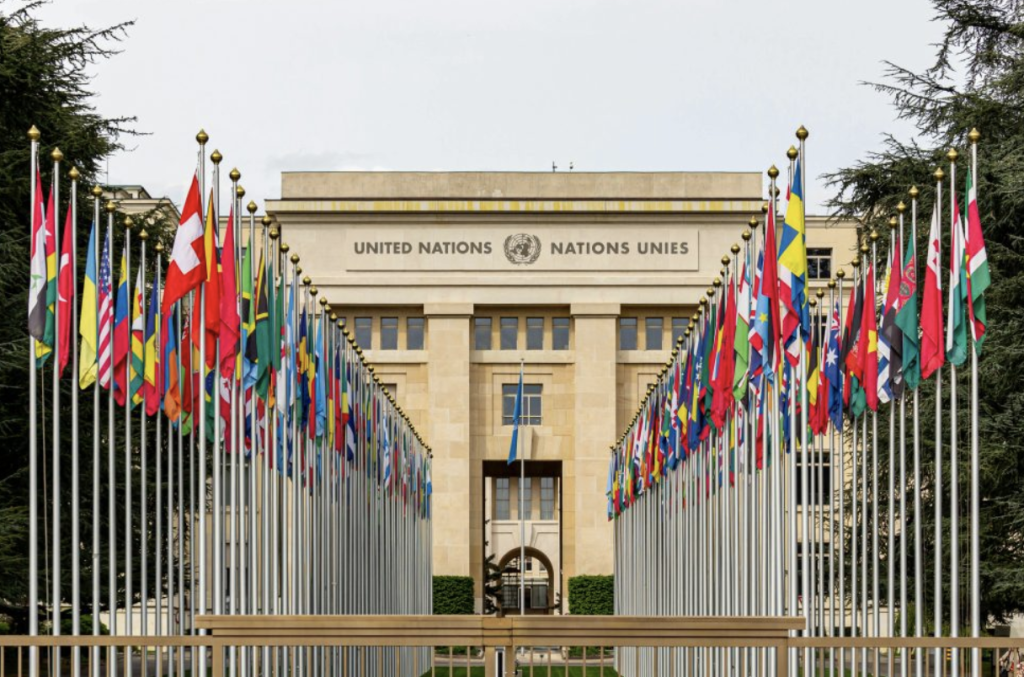
The proposed changes are being discussed as part of the ongoing United Nations Framework Convention on International Tax Cooperation, where policymakers are working toward a consensus on modernising global tax rules. Negotiations are expected to continue through 2027.
Supporters of the reform argue that it would create a fairer and more transparent system by aligning taxation with real economic presence. They also say it would help curb profit shifting and strengthen domestic resource mobilisation, especially in developing economies where public finances are under pressure.
While many countries have expressed support for the initiative, some advanced economies have taken a more cautious stance. Nonetheless, analysts note that even countries outside the agreement may still be affected, as multinational corporations would be required to comply with the tax rules of jurisdictions where they operate.
If adopted, the new framework could mark a major shift in international tax governance, with far-reaching implications for public revenue, economic equity, and global financial accountability.
