


US Rate Hike Raises Pressure on Nigeria to Keep Foreign Investors
Nigeria could face tougher competition for foreign investment after the United States Federal Reserve raised its benchmark interest rate, making dollar-denominated assets more attractive to global investors.
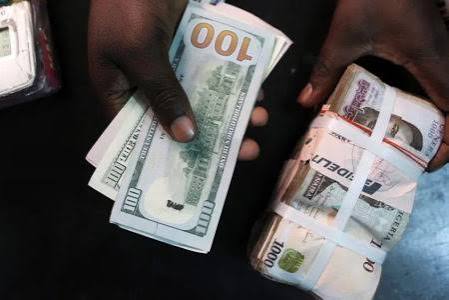
The Federal Reserve increased its policy rate by 0.25 percentage points to between 3.75% and 4%, its first increase in three years. The decision came as US inflation remained above the central bank’s 2% target.
For Nigeria, the concern is less about the rate increase directly determining the naira’s value and more about where international investors choose to place their money. Higher US rates can improve the appeal of relatively low-risk dollar assets, potentially increasing competition for funds that might otherwise flow into emerging markets.
That could put pressure on Nigeria’s foreign exchange market if investors reduce holdings of naira assets or demand more dollars. A stronger dollar would also increase the naira cost of imports and dollar-denominated obligations, potentially adding to expenses for businesses that rely on imported machinery, raw materials and other inputs.
However, the effect on Nigeria will depend on domestic conditions. Foreign exchange liquidity, oil earnings, remittances, foreign investment inflows, interest rates and investor confidence will all influence how the naira responds to changing global financial conditions.
Nigeria may still attract investors where local assets offer returns high enough to compensate for currency and other risks. But the latest US decision highlights the challenge facing emerging economies as global investors weigh higher dollar returns against opportunities in markets such as Nigeria. Recent market reporting also indicates that the dollar strengthened after the Federal Reserve decision.
For Nigeria, the immediate task is therefore to maintain confidence in the foreign exchange market and strengthen the conditions that keep capital flowing into the economy. The impact of the US rate increase on the naira will ultimately depend on how global capital movements interact with Nigeria’s own dollar supply and economic fundamentals.
