


Water Critical to Jobs and Growth as 62% of Employment in Sub-Saharan Africa Depends on It
New analysis highlights the central role of water in economic activity across sub-Saharan Africa, with an estimated 62% of jobs dependent on water-related systems, underscoring its importance beyond survival into productivity and national growth.
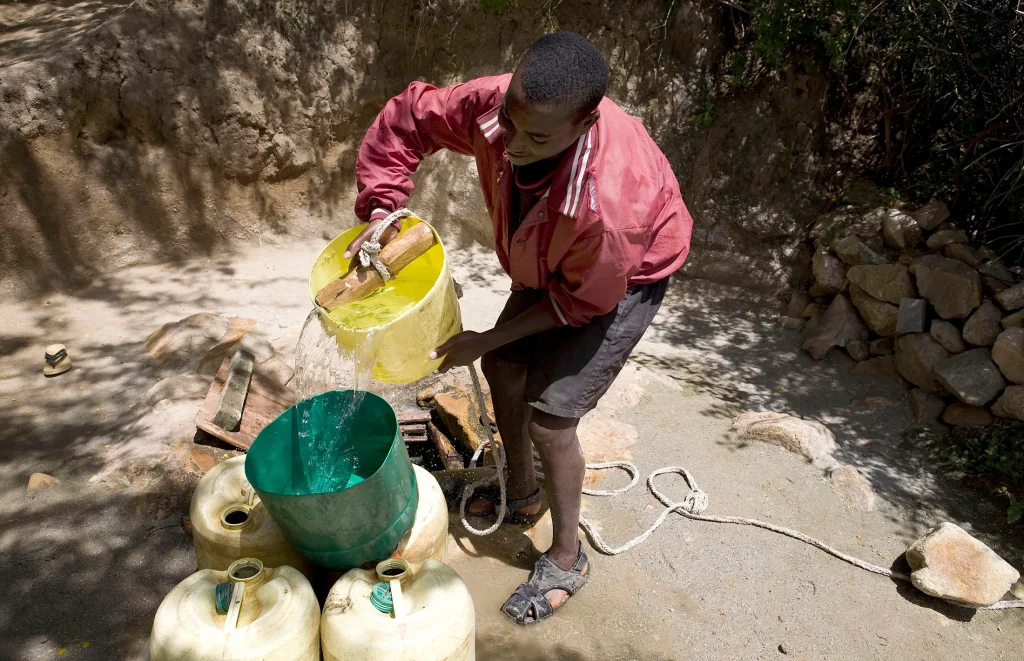
The findings suggest that sectors such as agriculture, energy, manufacturing, and services rely heavily on stable water access, making economies in the region highly vulnerable to climate variability and drought.
Experts warn that fluctuations in rainfall directly affect agricultural output, food prices, and broader economic performance, with reduced rainfall often translating into slower gross domestic product (GDP) growth in affected countries.
Agriculture remains the largest employer in many African economies, meaning water scarcity has a direct impact on livelihoods, income levels, and food security for millions of households.
Development analysts say the data reinforces the need for increased investment in water infrastructure, irrigation systems, and climate adaptation strategies to protect jobs and sustain economic growth.
They also stress that improved water management is essential for industrial expansion and urban development, particularly as Africa’s population and labour force continue to grow rapidly.
The report concludes that water is not only a basic necessity but also a foundational driver of economic resilience and long-term prosperity across the continent.