


WHO: Nigeria Among Countries Hit by Attacks on Healthcare as Global Toll Surpasses 10,400 Incidents
Nigeria is among 29 countries and territories affected by attacks on healthcare, according to the World Health Organization (WHO), as violence against medical facilities and health workers continues to threaten the delivery of essential services in conflict-affected areas.
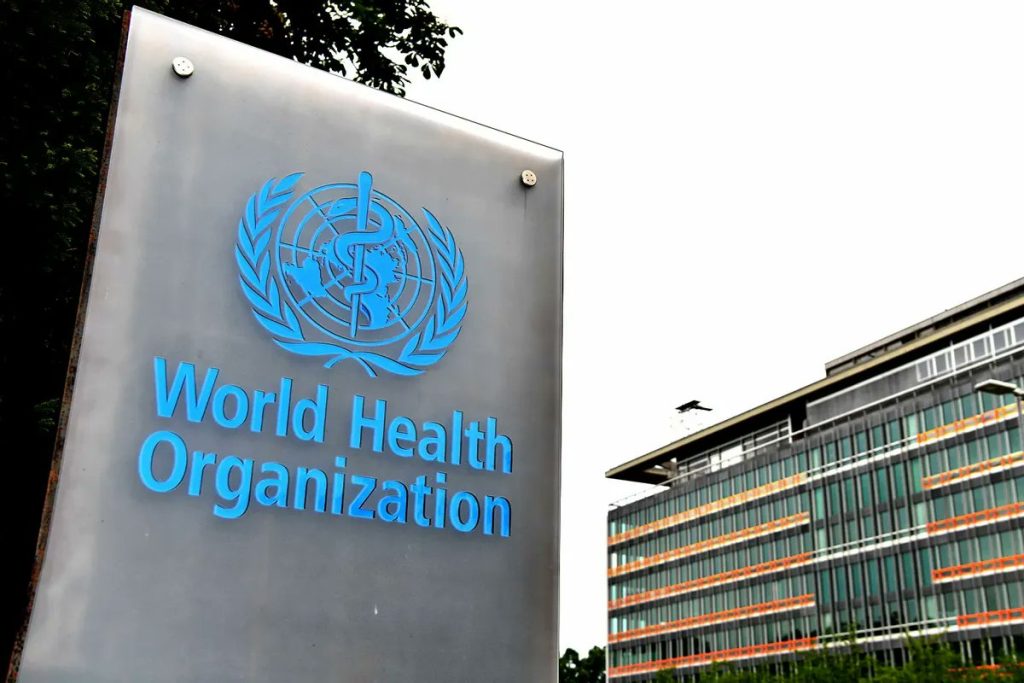
The WHO says it has verified more than 10,400 attacks on healthcare since it began systematically documenting such incidents in 2018. The attacks have resulted in thousands of deaths and injuries, while damaging or destroying facilities and disrupting access to medical care.
The latest figures were highlighted as the WHO warned that attacks on healthcare are continuing to occur at an alarming rate. More than 900 attacks were recorded between January and August 2026 alone, resulting in at least 900 deaths and more than 1,400 injuries.
The attacks include airstrikes and other armed attacks on health facilities, destruction of medical infrastructure, and the killing, injury, detention or abduction of healthcare workers. The WHO says at least 94 health workers have been detained in 2026.
Nigeria’s inclusion reflects the impact of the country’s prolonged insecurity, particularly in the northeast, where Boko Haram and other armed groups have repeatedly disrupted healthcare and humanitarian operations.
The WHO’s Health Cluster estimates that about 4 million people in Nigeria’s humanitarian health sector currently need assistance, with approximately 1.4 million people targeted for health interventions in 2026. However, the response is severely underfunded, with only 16% of the $33 million requested recorded as funded at the time of the latest WHO update.
Conflict does not only put doctors, nurses and patients at risk. It can also make entire communities lose access to healthcare when hospitals are damaged, medical personnel flee, supplies cannot reach facilities or insecurity prevents patients from travelling for treatment.
The WHO says its data shows that attacks on healthcare undermine health systems far beyond the immediate casualties, potentially disrupting vaccination, disease surveillance, maternal care, emergency treatment and outbreak responses.
The consequences can be particularly severe during disease outbreaks. The WHO has noted, for example, that attacks on health facilities in the Democratic Republic of Congo have disrupted efforts to monitor and treat Ebola.
Healthcare workers and medical facilities are protected under international humanitarian law, even during armed conflict.
Yet the WHO says that, despite documenting more than 10,400 attacks since 2018, none of the verified incidents has resulted in accountability procedures, according to the latest reporting.
The organisation is therefore calling for greater protection of healthcare workers and facilities and for attacks to be investigated and those responsible held accountable.
For Nigeria, the figures add another dimension to the country’s security crisis: violence does not only kill directly — it can also prevent people who survive conflict from receiving the medical care they need.
