


Africa CDC Says Over $700 Million in DRC Ebola Response Funds Cannot Be Traced
The Africa Centres for Disease Control and Prevention (Africa CDC) has raised concerns over more than $700 million in international funding for the Ebola response in the Democratic Republic of the Congo (DRC) that cannot currently be accounted for through available financial records.
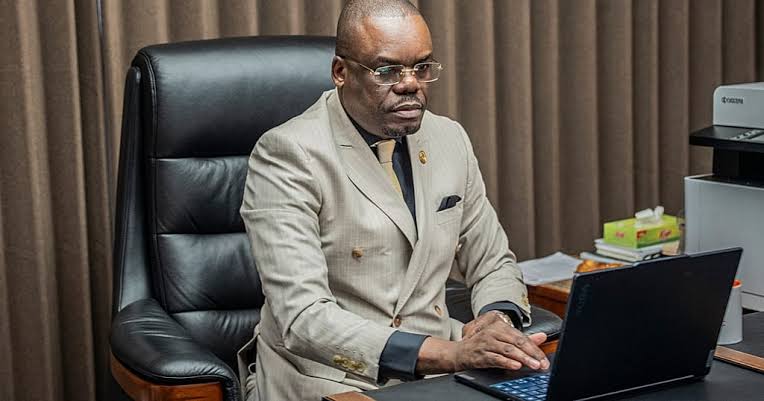
Africa CDC Director-General Dr Jean Kaseya disclosed the funding gap during a press conference in Kinshasa on Wednesday, October 14, calling for greater transparency and accountability from organisations involved in the response.
According to Africa CDC, international donors reported disbursing approximately $962 million directly to implementing partners, including international organisations and non-governmental organisations. However, a joint verification exercise with Congolese health authorities traced only about $220 million to participating organisations.
Of that amount, approximately $120 million had reportedly been spent, while around $100 million remained unused. Fewer than 30 per cent of the organisations involved participated in the financial verification exercise, according to Africa CDC.
Kaseya stressed that the funds were paid directly to implementing partners, not to the Congolese government. The issue, therefore, concerns the inability of national authorities to obtain a complete account of how the money was received, spent or retained by those organisations.
The disclosure comes as the DRC battles a major Ebola outbreak involving the Bundibugyo virus strain, with thousands of confirmed cases and deaths reported. The outbreak has placed considerable pressure on the country’s health system and emergency response operations.
Africa CDC is calling for implementing partners to provide financial records and demonstrate how the funding has supported activities on the ground, including disease surveillance, medical care and containment efforts.
The funding gap does not, by itself, establish that the money was stolen or misappropriated. However, the lack of verifiable financial information raises questions about oversight and whether resources intended to contain the outbreak are reaching affected communities and frontline health workers.
