


Kenya Raises Fuel Prices as Middle East Conflict Drives Up Import Costs
Kenya has increased petrol, diesel and kerosene prices after rising international fuel import costs, linked to the ongoing conflict in the Middle East, added pressure on the country’s energy market.
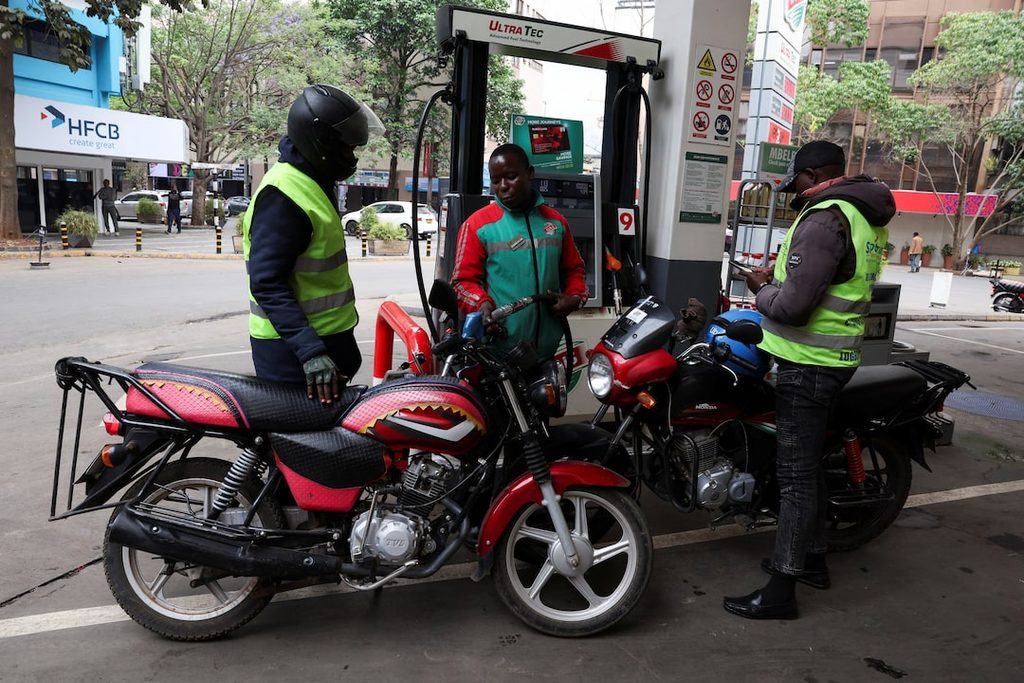
The Energy and Petroleum Regulatory Authority (EPRA) announced the new maximum retail prices on Wednesday, October 14, with the increases taking effect on October 15 and remaining in force until November 14.
In Nairobi, the price of a litre of super petrol rose by 12.93 Kenyan shillings to 226.96 shillings, while diesel increased by 9.90 shillings to 227.76 shillings. Kerosene recorded the steepest increase, rising by 28.49 shillings to 219.87 shillings per litre.
EPRA attributed the increases to higher costs of importing refined petroleum products. Kenya relies heavily on fuel supplies from the Middle East, leaving its domestic market exposed to disruptions in the region and fluctuations in international oil prices.
The regulator said the average landed cost of imported super petrol rose by 11.81 per cent between August and September, while diesel import costs increased by 11.2 per cent over the same period.
To cushion consumers, the government extended a reduction in value-added tax on fuel from 16 per cent to 8 per cent until January 14, 2027.
The price increases are expected to put further pressure on households and businesses. Higher diesel costs can raise transport and freight expenses, while more expensive kerosene directly affects households that rely on it for cooking and lighting.
The latest adjustment highlights how geopolitical conflict can translate into higher living costs far beyond the affected region, particularly for countries that depend on imported petroleum products.
