


Authorities Expands Nuclear Law to Allow Retaliation if Kim Jong Un Is Killed
North Korea has formally strengthened its nuclear doctrine to allow an automatic nuclear response if its leader, Kim Jong Un, is killed or if the country’s command structure is threatened.
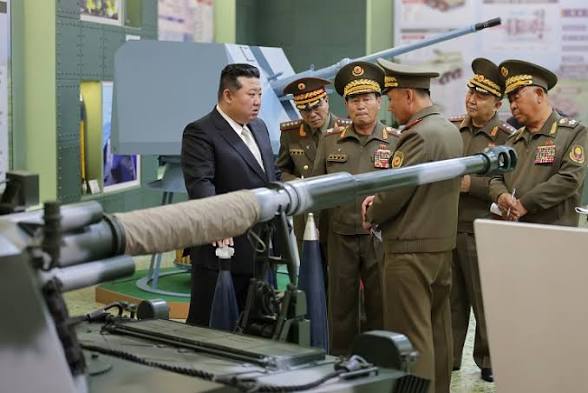
The policy is rooted in earlier legislation adopted in 2022, which already stated that nuclear weapons could be used if the leadership or nuclear command system comes under attack.
Recent developments indicate that this stance has now been further embedded in constitutional or legal frameworks, reinforcing a so-called “decapitation response” — meaning a strike targeting leadership could trigger immediate nuclear retaliation.
Analysts say the move is designed to deter assassination attempts or regime-change strategies by ensuring that even if the leader is incapacitated, a pre-authorised system could still launch nuclear weapons.
The policy reflects a broader shift toward a more aggressive nuclear posture, where Pyongyang has expanded the conditions under which it may deploy nuclear arms, including pre-emptive and retaliatory scenarios.
Security experts warn that such a doctrine increases the risk of escalation during crises, as it reduces decision time and introduces the possibility of automated or delegated launch authority.
The development comes amid heightened tensions on the Korean Peninsula, with North Korea continuing to assert its status as a nuclear weapons state and rejecting international pressure to disarm.
