

Sunday, 27 Sep 2026
  • My Feeds
  • My Saves
  • History
  • Blog
Subscribe
Ideko Africa Ideko Africa
  • Africa News
  • Unstoppable Africa
  • World News
  • African History
  • Our Fact check
  • Contact
Font ResizerAa
Ịdekọ AfricaỊdekọ Africa
  • Africa News
  • Unstoppable Africa
  • World News
Search
  • Africa News
  • Unstoppable Africa
  • World News
  • African History
  • Our Fact check
  • Contact
Have an existing account? Sign In
Follow US
  • About Us
  • Contact Us
  • Join Us
  • Privacy Policy
© 2025 Ideko Africa . All Rights Reserved.
Ịdekọ Africa > Blog > Africa News > ‘Bluetoothing’ Raises Fresh HIV and Hepatitis Concerns Among Drug Users
Africa News

‘Bluetoothing’ Raises Fresh HIV and Hepatitis Concerns Among Drug Users

Ideko Africa
Last updated: September 27, 2026 1:10 pm
Ideko Africa
Share
SHARE

‘Bluetoothing’ Raises Fresh HIV and Hepatitis Concerns Among Drug Users

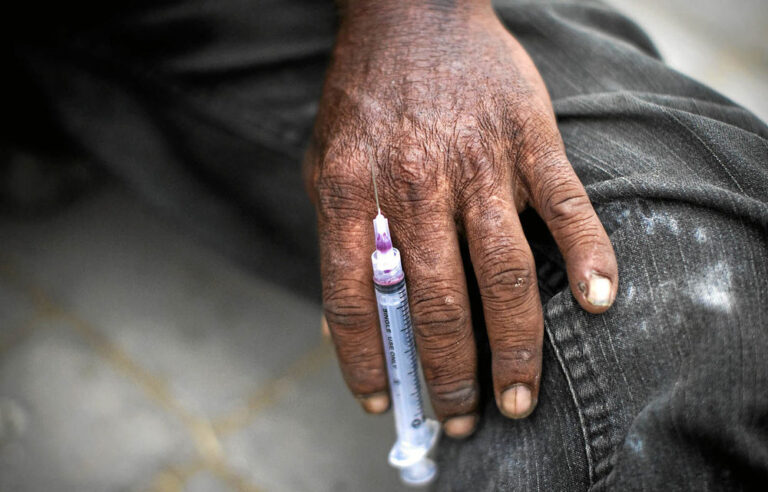
A dangerous drug-sharing practice involving the injection of drug-contaminated blood is drawing renewed attention from health workers in parts of Africa and the Pacific, with concerns that it could increase exposure to HIV and viral hepatitis among people who inject drugs.
‘Bluetoothing’ Raises Fresh HIV and Hepatitis Concerns Among Drug Users

Known as “bluetoothing” in some communities, the practice involves a person injecting a drug before drawing blood from the same vein and passing it to another user for injection. Similar practices have also been reported under different names, including “flashblooding.” Health experts warn that direct blood-to-blood exposure can facilitate transmission of infections such as HIV and hepatitis B and C.

The practice has received particular attention in Fiji amid a sharp rise in HIV infections linked to injecting drug use. However, recent research suggests that although many drug users are familiar with bluetoothing, relatively few report actually engaging in it, meaning its contribution to the wider HIV outbreak should not be overstated.

Reports and research have also documented similar blood-sharing practices among drug users in parts of Africa, including South Africa and Lesotho. The concerns have increased calls for stronger harm-reduction measures, including access to sterile injecting equipment, HIV testing and treatment, and services that can connect people who use drugs with healthcare and rehabilitation.

Share This Article
Email Copy Link Print
Previous Article Nigeria’s Public Debt Climbs N7.44tn in Three Months to N166.79tn
Leave a Comment

Leave a Reply Cancel reply

Your email address will not be published. Required fields are marked *

Your Trusted Source for Accurate and Timely Updates!

Our commitment to accuracy, impartiality, and delivering breaking news as it happens has earned us the trust of a vast audience. Stay ahead with real-time updates on the latest events, trends.
FacebookLike
XFollow
InstagramFollow
LinkedInFollow
MediumFollow
QuoraFollow
- Advertisement -
Ad image

You Might Also Like

Niger Reopens Uranium Sector as New Foreign Investors Enter Mining Industry

By
Ideko Africa

Air Peace, Etihad Sign Deal to Connect 20 West and Central African Cities

By
Ideko Africa

Zimbabwe Makes Mnangagwa’s Birthday an Annual Public Holiday

By
Ideko Africa

EU, EIB Approve €500m to Support Nigerian, African Entrepreneurs

By
Ideko Africa
Ideko Africa Ideko Africa
Facebook Twitter Youtube Rss Medium

About US

At ỊDEKỌ AFRICA, we are committed to capturing and amplifying Africa’s truth through bold journalism, podcasts, and dynamic branding. We tell stories with authenticity, integrity, and purpose—ensuring that Africa is seen, heard, and understood.

 
Top Categories
  • About Us
  • Contact Us
  • Join Us
  • Privacy Policy
Usefull Links
  • My Feeds
  • My Saves
  • History
  • Blog

© IdekoAfrica Design By ChigoziemIbeh

Ịdekọ AfricaỊdekọ Africa
Follow US
@idekoafrica2025
Ideko Africa Ideko Africa
Welcome Back!

Sign in to your account

Username or Email Address
Password

Lost your password?