

Sunday, 27 Sep 2026
  • My Feeds
  • My Saves
  • History
  • Blog
Subscribe
Ideko Africa Ideko Africa
  • Africa News
  • Unstoppable Africa
  • World News
  • African History
  • Our Fact check
  • Contact
Font ResizerAa
Ịdekọ AfricaỊdekọ Africa
  • Africa News
  • Unstoppable Africa
  • World News
Search
  • Africa News
  • Unstoppable Africa
  • World News
  • African History
  • Our Fact check
  • Contact
Have an existing account? Sign In
Follow US
  • About Us
  • Contact Us
  • Join Us
  • Privacy Policy
© 2025 Ideko Africa . All Rights Reserved.
Ịdekọ Africa > Blog > Africa News > Nigeria’s Public Debt Climbs N7.44tn in Three Months to N166.79tn
Africa News

Nigeria’s Public Debt Climbs N7.44tn in Three Months to N166.79tn

Ideko Africa
Last updated: September 27, 2026 12:49 pm
Ideko Africa
Share
SHARE

Nigeria’s Public Debt Climbs N7.44tn in Three Months to N166.79tn

Nigeria’s public debt stock rose by N7.44 trillion between March and June 2026, reaching N166.79 trillion as the government continued to rely heavily on domestic and external borrowing to finance its obligations.
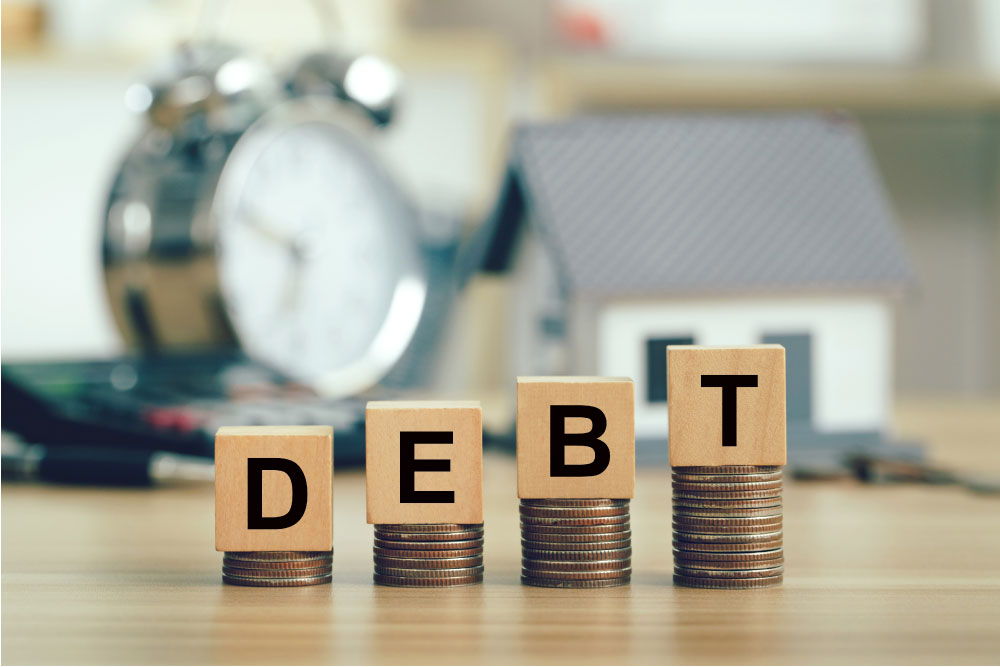
Nigeria’s Public Debt Climbs N7.44tn in Three Months to N166.79tn

The latest figures from the Debt Management Office show that domestic debt accounted for N91.59 trillion, representing about 55 per cent of the total, while external liabilities made up the balance. In dollar terms, the country’s combined debt stood at $120.93 billion as of June 30.

The Federal Government accounted for N152.77 trillion of the total debt, comprising N86.99 trillion in domestic obligations and N65.77 trillion in external debt. State governments and the Federal Capital Territory jointly accounted for the remaining N14.01 trillion.

Federal government bonds remained the largest component of domestic borrowing at N64.84 trillion, followed by Nigerian Treasury Bills at N19.48 trillion. Other instruments included Sukuk, promissory notes, savings bonds and green bonds, reflecting the range of financing tools being used to raise funds.

The latest increase puts greater attention on how government borrowing is managed as debt obligations continue to expand. The composition of the portfolio also shows the dominant role of domestic borrowing in Nigeria’s public debt, while foreign-currency liabilities continue to expose the country to exchange-rate pressures.

Share This Article
Email Copy Link Print
Previous Article South Africa Edge Guinea to Open AFCON Qualifying Campaign With Victory
Next Article ‘Bluetoothing’ Raises Fresh HIV and Hepatitis Concerns Among Drug Users
Leave a Comment

Leave a Reply Cancel reply

Your email address will not be published. Required fields are marked *

Your Trusted Source for Accurate and Timely Updates!

Our commitment to accuracy, impartiality, and delivering breaking news as it happens has earned us the trust of a vast audience. Stay ahead with real-time updates on the latest events, trends.
FacebookLike
XFollow
InstagramFollow
LinkedInFollow
MediumFollow
QuoraFollow
- Advertisement -
Ad image

You Might Also Like

Trade with Canada Approaches $3bn, Strengthening Bilateral Ties

By
Ideko Africa

Kenya Moves to End Raw Material Exports, Ruto Says

By
Ideko Africa

Five Nigerians Return to Abuja After Release from Detention in Côte d’Ivoire

By
Ideko Africa

Schools Release Students Early Following Reports of Institutional Unrest

By
Ideko Africa
Ideko Africa Ideko Africa
Facebook Twitter Youtube Rss Medium

About US

At ỊDEKỌ AFRICA, we are committed to capturing and amplifying Africa’s truth through bold journalism, podcasts, and dynamic branding. We tell stories with authenticity, integrity, and purpose—ensuring that Africa is seen, heard, and understood.

 
Top Categories
  • About Us
  • Contact Us
  • Join Us
  • Privacy Policy
Usefull Links
  • My Feeds
  • My Saves
  • History
  • Blog

© IdekoAfrica Design By ChigoziemIbeh

Ịdekọ AfricaỊdekọ Africa
Follow US
@idekoafrica2025
Ideko Africa Ideko Africa
Welcome Back!

Sign in to your account

Username or Email Address
Password

Lost your password?