


Defence Minister challenges foreign accounts of Liberia, Sierra Leone wars
Nigeria’s Defence Minister, Christopher Musa, has challenged narratives that give foreign powers the main credit for restoring peace in Liberia and Sierra Leone, saying the sacrifices of African troops under the ECOWAS Monitoring Group (ECOMOG) were central to ending the conflicts.
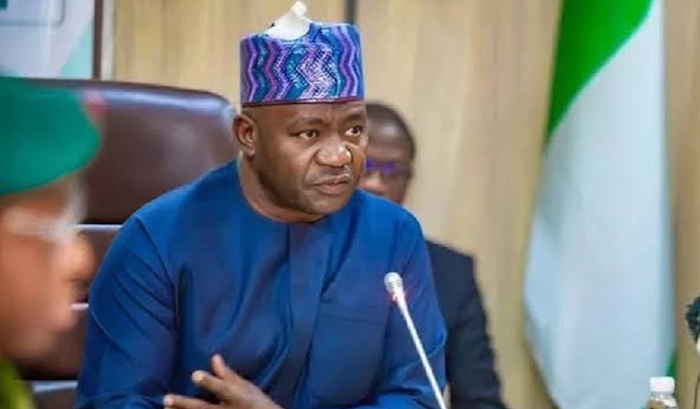
Musa spoke in Abuja on Thursday at the unveiling of Fighting Bushfires: ECOWAS and Peacemaking in West Africa – The Experience and Learning Curves, a book documenting ECOWAS interventions in Liberia, Sierra Leone and Guinea-Bissau.
He said Africans risk losing control of their own history if the region does not properly document its role in resolving the conflicts. Musa recalled that 10 of his Nigerian Defence Academy coursemates died during the Liberia war, describing their deaths as part of the human cost of Nigeria’s regional security commitments.
ECOMOG, established by ECOWAS, first deployed to Liberia in 1990 as the country descended into civil war. Nigeria became the backbone of the intervention, providing a significant proportion of the troops and resources. ECOMOG later intervened in Sierra Leone, where it helped restore President Ahmad Tejan Kabbah’s government after the 1997 military coup.
However, the historical record also shows that ECOMOG was not the only international force involved. In Sierra Leone, the United Nations later established UNAMSIL, which deployed thousands of peacekeepers and played a major role in disarmament and the eventual consolidation of peace. Sierra Leone’s government itself has recognised both ECOMOG and UNAMSIL for their contributions.
Musa’s comments therefore reopen a broader debate over how Africa’s peacekeeping history is remembered — particularly Nigeria’s substantial military and financial contribution to regional security, alongside the roles played by the United Nations and other international partners.
The minister also warned that West Africa should draw lessons from the interventions as the region confronts new security threats, particularly militant violence and instability in the Sahel. He argued that military force alone cannot resolve insecurity and called for political, economic and diplomatic measures to complement security operations.
