


Deportee’s Detention Deepens Scrutiny of US Third-Country Migration Deals
The detention of an Egyptian deportee in Equatorial Guinea has intensified concerns over the treatment of migrants transferred there under a controversial US third-country deportation arrangement.
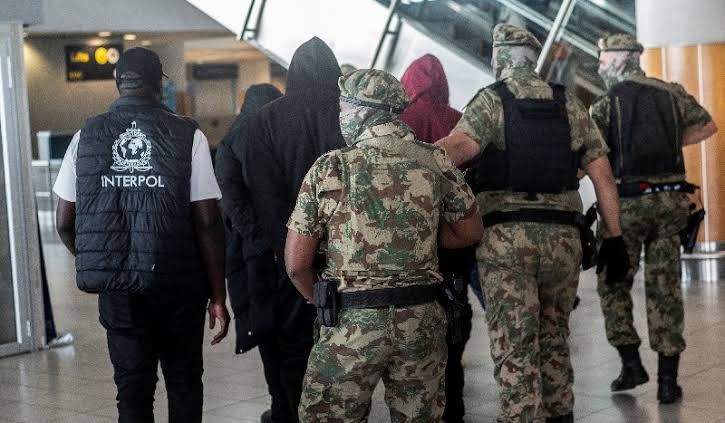
Ahmed Soliman, who was deported from the United States to Equatorial Guinea, was taken into police custody on Friday after speaking publicly about alleged rough treatment by security forces. His lawyer, Kate O’Donnell, said Soliman was removed from the hotel where he and other deportees have been staying and has since been held without communication.
The development followed an incident at Hotel Bamy in Malabo last Saturday, when Equatorial Guinean police reportedly pointed firearms at Soliman and other migrants during a confrontation. Witness accounts and video footage reviewed by Reuters indicated that security forces were involved in the incident.
Earlier in the week, security personnel reportedly returned to the hotel and confiscated the migrants’ phones. According to messages Soliman sent to his lawyer, the security forces referred to the Reuters report on the confrontation when taking the devices. A coalition representing the deportees and human rights organisations said another member of the group had also been arrested.
The Equatorial Guinean government has not publicly explained Soliman’s detention or confirmed his whereabouts. The latest development has renewed scrutiny of agreements reached by the United States with African countries to receive migrants whom Washington cannot directly return to their countries of origin.
Rights organisations have criticised the arrangements as lacking transparency, particularly because some deportees had previously received protection from US immigration courts over concerns that they could face torture or other abuses if returned home. A coalition of rights groups and lawyers has already challenged Equatorial Guinea’s agreement with the United States before the African Commission on Human and Peoples’ Rights.
The case has therefore placed renewed attention on the safeguards available to deportees transferred under third-country arrangements, particularly over their access to legal representation, protection from abuse and the ability to communicate with the outside world.
