


Ebola Outbreak Claims 600 Lives as Cases Continue to Rise
The Ebola outbreak in the Democratic Republic of Congo (DRC) has led to 600 deaths, according to the latest figures released by the World Health Organization (WHO), underscoring the severity of the ongoing health emergency.
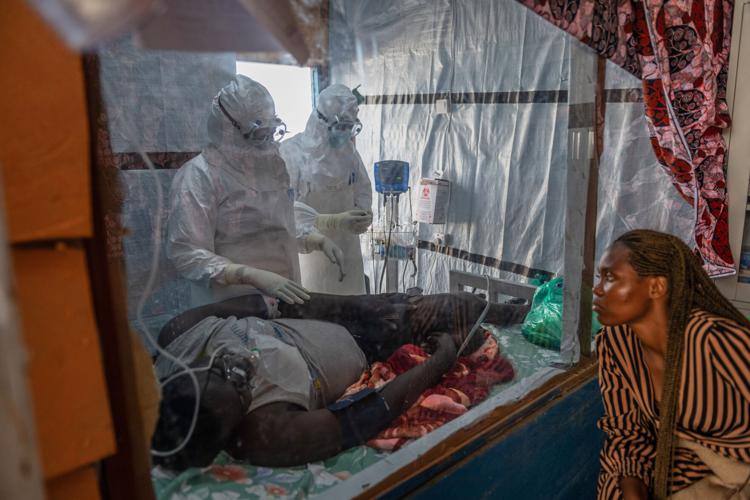
Updated data from health authorities indicates that more than 1,700 confirmed cases have been recorded since the outbreak was declared in May. The steady increase in fatalities highlights the rapid spread of the virus and the challenges faced in containing it.
The outbreak has also affected neighbouring countries, with Uganda reporting a limited number of infections and deaths. However, health officials there have confirmed that several patients have recovered, suggesting some progress in managing the spread.
Within the DRC, hundreds of patients have recovered, while a significant number of suspected cases are still being monitored. The outbreak remains concentrated in the northeastern region, particularly in Ituri Province, an area already impacted by insecurity, which has complicated response efforts.
Health authorities have identified the outbreak as being caused by the Bundibugyo strain of the Ebola virus, a less common variant that currently has no widely approved vaccine or standard treatment. In response, clinical trials have been launched to assess the effectiveness of potential therapies, including experimental drugs.
Ebola is a highly infectious disease transmitted through direct contact with bodily fluids of infected individuals or contaminated materials. Public health experts stress that early detection, isolation of cases, and community awareness are essential in controlling its spread.
Efforts are ongoing to contain the outbreak and prevent further transmission, as authorities continue to strengthen surveillance, treatment, and response strategies across affected regions.
