


Education Under Fire: School Burnings in Borno Signal Renewed Threat to Learning in Northeast Region
Fresh attacks on schools in Borno State, allegedly carried out by Boko Haram, are raising renewed concerns over the safety of education in Nigeria’s conflict-affected northeast, as authorities also grapple with a separate wave of killings in Kebbi State.
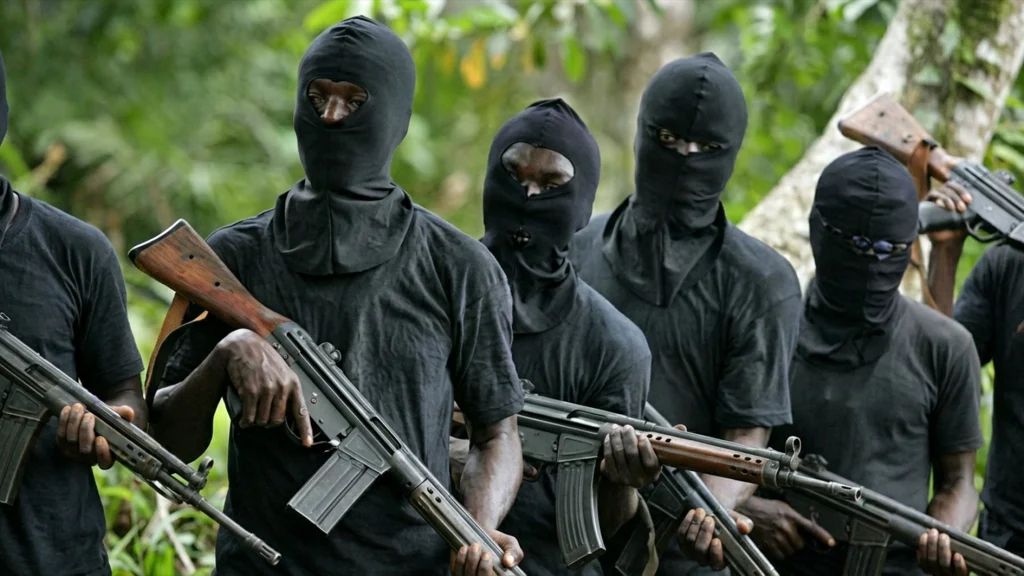
Local sources and security officials report that several school buildings were set ablaze in parts of Borno, in what analysts describe as a symbolic and strategic assault on education infrastructure—long considered a central target of insurgent ideology.
The development comes shortly after gunmen killed at least 20 people in a rural Kebbi community, underscoring a widening geography of insecurity stretching from the northwest to the northeast.
Education experts warn that repeated destruction of schools could reverse fragile gains made in restoring learning systems disrupted by over a decade of insurgency. Borno, once the epicentre of mass school abductions and closures, has in recent years seen gradual reopening of institutions under heavy security.
However, the latest attacks suggest a shift back toward soft targets, particularly schools, which remain vulnerable despite military presence. Communities fear the psychological impact may be as damaging as the physical destruction, discouraging school attendance and deepening an already severe out-of-school children crisis in northern Nigeria.
Government officials say security forces have been deployed to affected areas, while assessments are ongoing to determine the full extent of damage and prevent further incidents.
As Nigeria battles insurgency and banditry on multiple fronts, the renewed targeting of schools signals a troubling reality—one where the fight is no longer just for territory, but for the future of a generation.
