


Europe Turns to Africa as Five Countries Plan Overseas Migrant Return Hubs
Five European Union countries are moving towards establishing migrant return centres outside Europe, with an African country expected to host the first facility as early as 2027. The initiative reflects a growing European effort to move the processing and return of rejected migrants beyond the bloc’s borders.
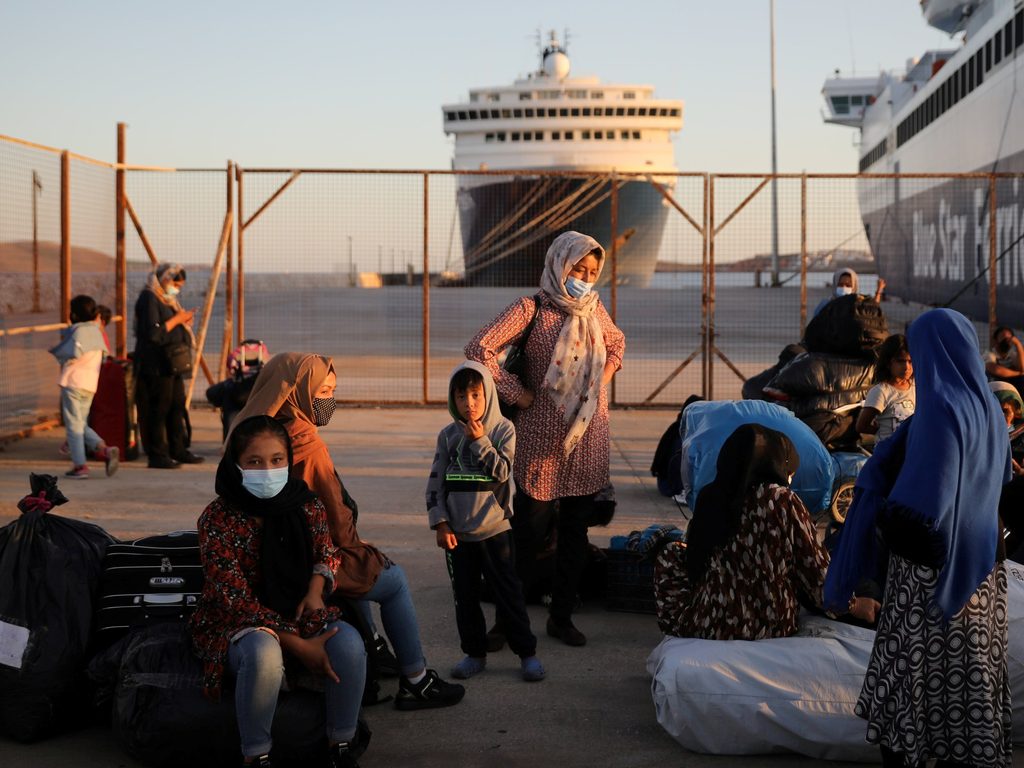
Greece, Germany, Austria, Denmark and the Netherlands are developing a common model for the centres, known as return hubs. They would be used for migrants who have exhausted their asylum options or otherwise have no legal right to remain in the European Union, particularly where returning them directly to their countries of origin is difficult. The five countries have not officially identified the African country that would host the first facility, although Rwanda and Uganda have been mentioned as possible locations.
Under the proposed arrangement, the European countries would retain responsibility for migrants transferred to the hubs and are expected to finance the facilities. The model is also expected to involve organisations such as the United Nations refugee agency and the International Organization for Migration. European officials say the centres could help increase returns and reduce irregular migration, while host countries could potentially receive financial support and other forms of cooperation.
For African countries, however, hosting such facilities could bring both opportunities and difficult responsibilities. Financial assistance and closer cooperation with European governments may be attractive, but host countries would have to manage migrants who may have no previous connection to their territory. The arrangements would also need to clarify issues such as legal status, length of stay, security and responsibility for people who cannot ultimately be returned to their countries of origin.
Human rights groups and European institutions have raised concerns over the plan. The Council of Europe has warned of significant human rights risks, while critics argue that transferring migrants outside the European Union could make it harder to guarantee their access to legal protection and prevent possible abuse. The previous British plan to send asylum seekers to Rwanda was abandoned after the UK’s Supreme Court ruled it unlawful over concerns about the risk of people being sent on to countries where they could face persecution or inhumane treatment.
The five countries are targeting 2027 for the first transfers, but major details remain unresolved, including the identity of the host country and the precise rules governing the centres. If the plan proceeds, it would mark another step towards Europe relying on partnerships with countries outside the bloc to manage the consequences of its migration and asylum system.