

Five African countries unite to contain Bundibugyo Ebola outbreak
The Central African Republic, Democratic Republic of Congo, Uganda, Republic of Congo and South Sudan have agreed to strengthen cross-border cooperation to prevent the spread of the Bundibugyo strain of Ebola, as the outbreak in the region continues to pose a major public-health threat.
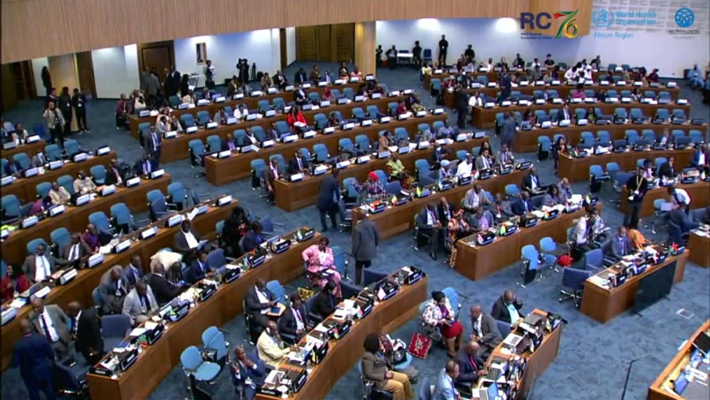
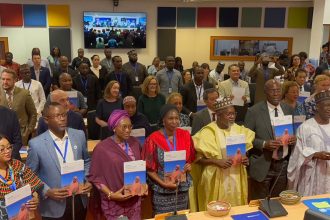
The commitment was reached in Bangui, Central African Republic, following a special briefing on the outbreak. The countries agreed to improve cross-border surveillance, preparedness and information sharing, recognising that movement of people across porous borders could complicate efforts to contain the virus.
The regional action comes as the Democratic Republic of Congo faces the epicentre of the outbreak. The World Health Organization has described the situation as rapidly evolving, with sustained transmission and increasing deaths.
Uganda, meanwhile, has declared its outbreak over. The country’s health authorities announced the end of transmission on July 28 after going 42 days without a new locally transmitted case. However, WHO continues to classify Uganda as vulnerable to imported cases because of the ongoing outbreak in neighbouring DRC.
The need for regional coordination is particularly important because Bundibugyo virus is a relatively rare Ebola strain, and unlike the Zaire strain, there is currently no specifically approved vaccine or treatment for it. WHO and its partners have nevertheless begun supporting clinical trials and exploring available medical interventions.
The outbreak has also been complicated by armed conflict, population displacement, attacks on health workers and misinformation, all of which make contact tracing, treatment and community engagement more difficult.
The five countries’ agreement therefore reflects a broader effort to prevent Ebola from becoming a regional cross-border crisis, particularly as communities continue to move between countries for trade, work, healthcare and other reasons.