


Government Announces 90-Day Entry Ban on Travellers From Three African Countries
The Canadian government has announced a temporary ban on residents from the Democratic Republic of the Congo, Uganda, and South Sudan, barring them from entering the country for 90 days starting Wednesday, according to verified reports.
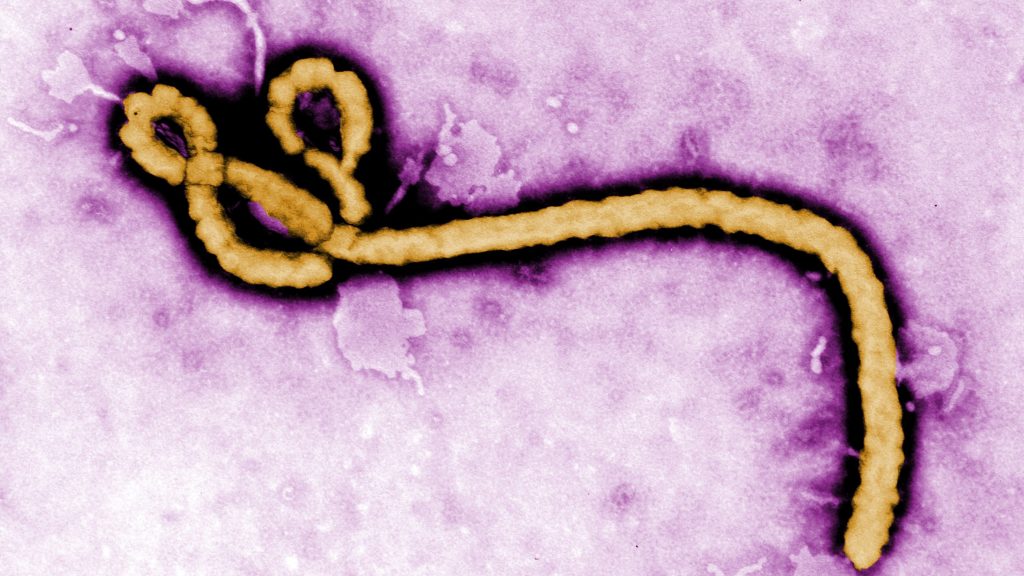
This colorized transmission electron micrograph (TEM) revealed some of the ultrastructural morphology displayed by an Ebola virus virion. See PHIL 1181 for a black and white version of this image.
What is Ebola hemorrhagic fever (Ebola HF)?
Ebola hemorrhagic fever (Ebola HF) is a severe, often-fatal disease in humans and nonhuman primates (monkeys, gorillas, and chimpanzees) that has appeared sporadically since its initial recognition in 1976.
The disease is caused by infection with Ebola virus, named after a river in the Democratic Republic of the Congo (formerly Zaire) in Africa, where it was first recognized. The virus is one of two members of a family of RNA viruses called the Filoviridae. There are four identified subtypes of Ebola virus. Three of the four have caused disease in humans: Ebola-Zaire, Ebola-Sudan, and Ebola-Ivory Coast. The fourth, Ebola-Reston, has caused disease in nonhuman primates, but not in humans.
The measure is part of emergency public health actions aimed at preventing the spread of Ebola, following a worsening outbreak in parts of Central and East Africa. Canadian authorities said the restriction is intended to reduce the risk of the virus entering and spreading within the country.
The decision follows a warning from the World Health Organization, which raised the outbreak risk to “very high” and classified the situation in the affected regions as a global health emergency.
In addition to the entry ban, Canada will require its citizens, permanent residents, and other eligible travellers arriving from the affected countries to undergo a 21-day quarantine if they show no symptoms.
Separate reports indicate that immigration processing for applications from the three countries may also be paused for the same 90-day period, with authorities reserving the option to extend the restrictions depending on how the outbreak evolves.
The move aligns with similar steps taken by the United States and other countries, which have imposed travel restrictions and enhanced screening measures in response to the outbreak.
Health officials note that no Ebola cases have been reported in Canada so far, but stress that the restrictions are precautionary as global efforts intensify to contain the spread of the virus.
