


Government Initiates Withdrawal from ICC, Citing Concerns Over Regional Bias
Chad has begun formal steps to exit the International Criminal Court (ICC), raising concerns about what it perceives as an imbalance in how the court applies international justice, particularly in relation to African nations.
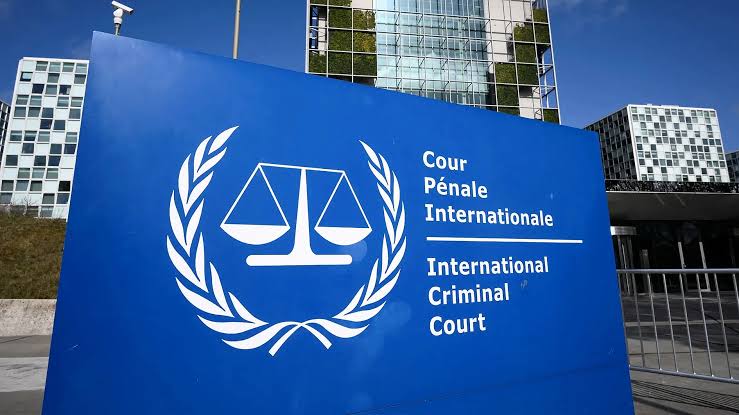
The country’s foreign ministry confirmed that it has notified the United Nations of its intention to withdraw from the Rome Statute, the treaty that established the ICC. The move follows an internal assessment of the court’s performance since it was created in 2002.
According to Chadian authorities, the review highlighted a pattern in which a significant number of the court’s investigations and prosecutions have focused on African countries. The government argues that this trend reflects a lack of consistency in the court’s global mandate and has contributed to growing dissatisfaction across parts of the continent.
The ICC, headquartered in The Hague, is responsible for prosecuting serious international crimes such as genocide, war crimes, and crimes against humanity. It currently has over 120 member states, with Africa representing a substantial portion of its membership.
Chad’s decision comes amid a broader shift, as several countries have recently signalled their intention to disengage from the court. Mali, Burkina Faso, and Niger had earlier announced similar plans, while Venezuela has also indicated it may withdraw, citing concerns about geographical imbalance in the court’s activities.
Officials further pointed to case statistics and detention records as reinforcing their position that African nations are disproportionately represented in the court’s work. They also noted that only limited progress has been made in investigations outside the continent.
In addition, the Chadian government referenced recent diplomatic engagements with the United States, during which concerns about the ICC’s operations were discussed. The development reflects wider international tensions surrounding the court’s role and jurisdiction.
Chad has also called on the African Union to reassess its relationship with the ICC and explore ways to strengthen regional judicial systems that can address serious crimes more effectively within the continent.
If completed, Chad’s withdrawal would mark another significant shift in the ICC’s relationship with African states and could further influence ongoing debates about reforming global justice institutions.
