

Thursday, 28 May 2026
  • My Feeds
  • My Saves
  • History
  • Blog
Subscribe
Ideko Africa Ideko Africa
  • Africa News
  • Unstoppable Africa
  • World News
  • African History
  • Our Fact check
  • Contact
Font ResizerAa
Ịdekọ AfricaỊdekọ Africa
  • Africa News
  • Unstoppable Africa
  • World News
Search
  • Africa News
  • Unstoppable Africa
  • World News
  • African History
  • Our Fact check
  • Contact
Have an existing account? Sign In
Follow US
  • About Us
  • Contact Us
  • Join Us
  • Privacy Policy
© 2025 Ideko Africa . All Rights Reserved.
Ịdekọ Africa > Blog > Africa News > Government Pushes Ranching Plan to Curb Farmer–Herder Violence
Africa News

Government Pushes Ranching Plan to Curb Farmer–Herder Violence

Ideko Africa
Last updated: May 28, 2026 11:07 am
Ideko Africa
Share
SHARE

Government Pushes Ranching Plan to Curb Farmer–Herder Violence

The Federal Government of Nigeria is intensifying efforts to promote ranching as a long-term solution to the persistent clashes between farmers and herders across the country.
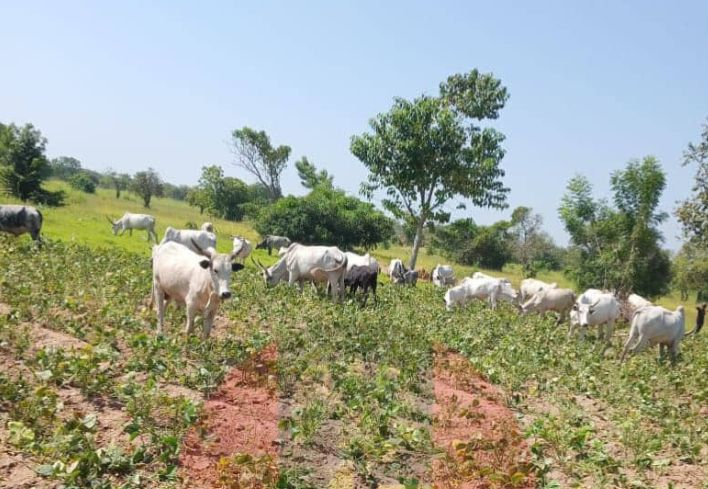
Government Pushes Ranching Plan to Curb Farmer–Herder Violence

Officials say the move is part of a broader strategy to reduce violent conflicts linked to open grazing, which has fueled insecurity, displacement, and loss of livelihoods in several states, particularly in the Middle Belt.

The government, through the Federal Ministry of Agriculture and Food Security, is encouraging states to adopt modern livestock management systems, including ranching and designated grazing reserves. Authorities argue that controlled livestock rearing will minimize disputes over land use and crop damage.

Farmer–herder clashes have remained a major security concern in Nigeria for over a decade, often driven by competition for land and water, population growth, and the effects of climate change. The violence has claimed thousands of lives and displaced communities, with significant impact on food production.

Despite federal backing, the ranching policy has faced resistance in some regions, with debates around land ownership, funding, and implementation frameworks slowing progress.

Experts say successful adoption will require strong political will, collaboration with state governments, and investment in infrastructure such as water supply, feed systems, and security.

Share This Article
Email Copy Link Print
Previous Article Israel Says It Killed New Hamas Armed Wing Chief in Gaza Strike
Next Article Iran Fires on Ships in Hormuz as U.S. Strikes Deepen Tensions
Leave a Comment

Leave a Reply Cancel reply

Your email address will not be published. Required fields are marked *

Your Trusted Source for Accurate and Timely Updates!

Our commitment to accuracy, impartiality, and delivering breaking news as it happens has earned us the trust of a vast audience. Stay ahead with real-time updates on the latest events, trends.
FacebookLike
XFollow
InstagramFollow
LinkedInFollow
MediumFollow
QuoraFollow
- Advertisement -
Ad image

You Might Also Like

Court Clears Ex-President Jonathan for 2027 Race, Awards ₦20m Costs

By
Ideko Africa

Backlash Grows Over First Lady’s Children’s Day Message Amid Recent School Abductions

By
Ideko Africa

President Tinubu Urges Nigerians to Embrace Tax Payment as Duty for National Development

By
Ideko Africa

Senegal’s President Removes Prime Minister, Disbands Cabinet Amid Political Strain

By
Ideko Africa
Ideko Africa Ideko Africa
Facebook Twitter Youtube Rss Medium

About US

At ỊDEKỌ AFRICA, we are committed to capturing and amplifying Africa’s truth through bold journalism, podcasts, and dynamic branding. We tell stories with authenticity, integrity, and purpose—ensuring that Africa is seen, heard, and understood.

 
Top Categories
  • About Us
  • Contact Us
  • Join Us
  • Privacy Policy
Usefull Links
  • My Feeds
  • My Saves
  • History
  • Blog

© IdekoAfrica Design By ChigoziemIbeh

Ịdekọ AfricaỊdekọ Africa
Follow US
@idekoafrica2025
Ideko Africa Ideko Africa
Welcome Back!

Sign in to your account

Username or Email Address
Password

Lost your password?