


Housing Crisis Deepens as Failed Reforms Fuel Mass Protests
Tens of thousands of people have taken to the streets across Spain to demand action on rising rents and evictions, after parliament rejected government measures aimed at easing pressure on tenants.
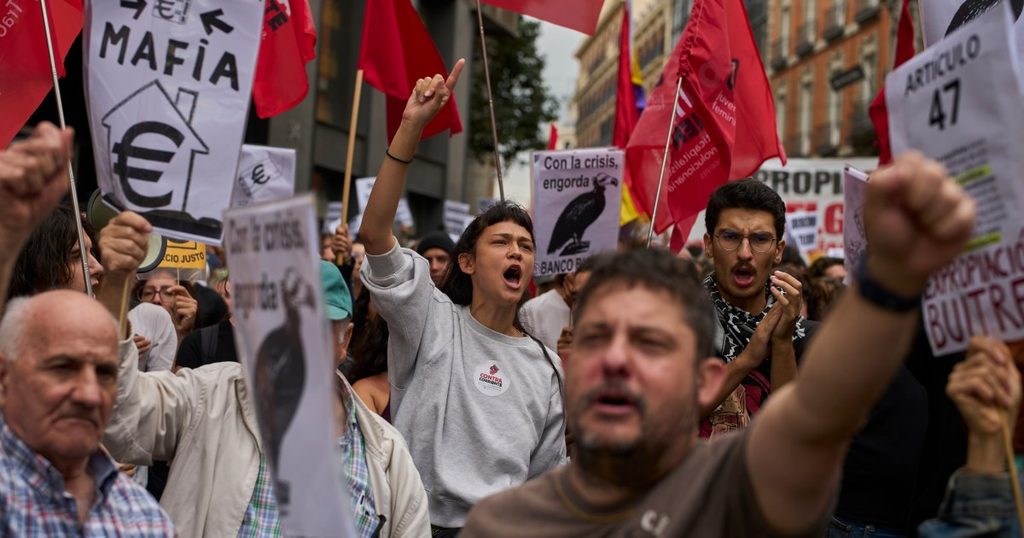
The demonstrations, held in Madrid and more than 50 other cities, followed the defeat of two housing measures proposed by Prime Minister Pedro Sánchez’s minority government. The proposals included stronger protection for vulnerable tenants and changes to rental contracts.
The protests have grown since the eviction of 87-year-old Maricarmen Abascal from her Madrid home on September 23. The incident became a symbol of the wider housing crisis and helped trigger days of demonstrations and protest camps in the capital.
Housing costs have continued to rise as Spain faces a shortage of homes, particularly in major cities. Rents have nearly doubled over the past decade, while many residents say their incomes are no longer sufficient to keep pace with the cost of accommodation.
The rejection of the government’s measures has added a political dimension to the crisis. Sánchez’s administration depends on support from smaller parties in parliament, and the failure of the housing package has increased pressure on the government to find another solution.
The latest protests have also raised the possibility of further industrial action, with tenant groups calling for a general strike. As pressure builds, the government faces the challenge of addressing a housing shortage while finding enough parliamentary support to turn proposed reforms into law.
