


Funding Cuts Put Millions of Refugee Children at Risk of Losing Education
Funding reductions for humanitarian and development programmes are threatening to reverse gains in refugee education, with millions of children forced out of school by conflict, displacement and poverty, according to a new UNHCR report.
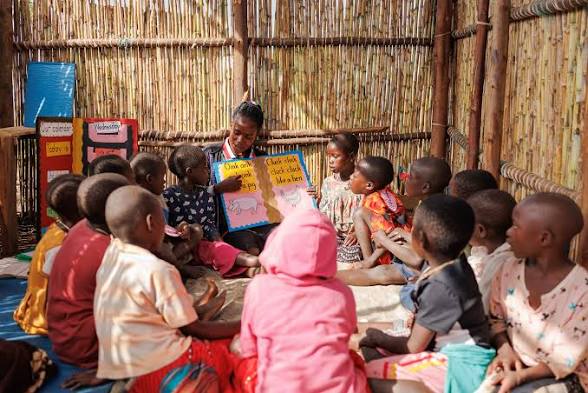
The UN refugee agency estimates that 13.1 million refugee children of school age were living worldwide in 2025, but about 5.8 million were not enrolled in school. The situation is particularly difficult as prolonged conflicts continue to push more families across borders and place additional pressure on host countries.
The transition from primary to secondary education remains a major barrier. While 65 per cent of refugee children were enrolled in primary school in 2025, only 32 per cent continued to secondary education. Many also begin school without basic learning skills, with two out of every three lacking the foundational knowledge needed for classroom learning.
The impact is particularly severe for adolescent girls, whose education is often disrupted by poverty, insecurity and early marriage. Access to higher education remains even more limited, although refugee participation reached a record 11 per cent in 2025, with more than 450,000 young people enrolled in universities or technical and vocational programmes.
UNHCR said continued investment could help expand these gains, but warned that funding cuts risk widening existing inequalities. In low-income and conflict-affected countries, only about two per cent of refugees were enrolled in higher education, compared with 13 per cent of nationals.
The agency is calling on international donors and development partners to protect education funding and strengthen schools in refugee-hosting countries. It said investment in teachers, classrooms and learning materials would benefit both displaced children and the communities receiving them.
For millions of young refugees, education is more than a route to qualifications. It can provide the skills and stability needed to rebuild their lives after displacement. The funding gap therefore threatens not only current access to schooling, but also the ability of an entire generation to shape its future.
