


Kenya’s Ruto Orders Crackdown on Foreigners Operating Small Businesses
Kenyan President William Ruto has ordered a crackdown on foreign nationals operating small-scale businesses in the country, directing authorities to begin enforcement from Monday, September 7.
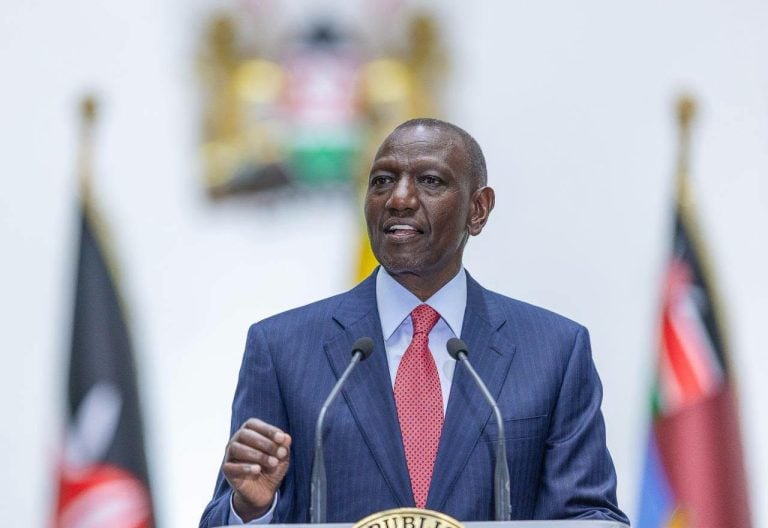
Ruto issued the directive on Wednesday after meeting representatives of micro, small and medium-sized enterprises at State House in Nairobi. He said activities such as hawking and small-scale retail should provide opportunities for Kenyan traders rather than foreigners.
The president said the government would take administrative action even before Parliament passes proposed legislation identifying economic activities that should be reserved for Kenyan citizens. He directed Trade Cabinet Secretary Lee Kinyanjui to begin the enforcement exercise when he returns from Addis Ababa.
Ruto also instructed National Assembly Majority Leader Kimani Ichung’wah to work with the Immigration Principal Secretary to establish the conditions under which foreign nationals are issued investor permits and to identify possible loopholes.
The president linked the crackdown to concerns from Kenyan traders who say foreign nationals are increasingly competing with them in low-capital businesses, including hawking and small retail shops. Ruto argued that Kenya’s efforts to attract foreign investment were intended to bring capital, create jobs and expand production—not to encourage foreigners to compete with citizens in informal trade.
The government is also backing the Local Content Bill, 2025, which seeks to increase Kenyan participation in economic activities and establish categories of businesses that could be restricted to citizens. Ruto urged lawmakers and traders to help close loopholes before the legislation is passed.
The announcement has already sparked concerns over its potential impact on foreign traders and Kenya’s regional commercial relationships. Critics have warned that targeting foreign nationals could fuel xenophobic sentiment, while supporters argue that protecting small businesses is necessary to safeguard livelihoods and opportunities for Kenyan citizens.
The crackdown comes amid wider pressure on Kenya’s small-business sector. Traders have recently protested against higher import-duty benchmarks, while the government says it is working to reduce the cost of doing business and strengthen domestic production.
Ruto’s directive therefore sets up a delicate balance between protecting local economic opportunities and maintaining Kenya’s reputation as an open destination for legitimate foreign investment. The implementation of the measures from September 7 will determine how broadly the new restrictions are applied and how foreign traders respond.
