


Spain Finds No Evidence Morocco Orchestrated Deadly Ceuta Border Rush
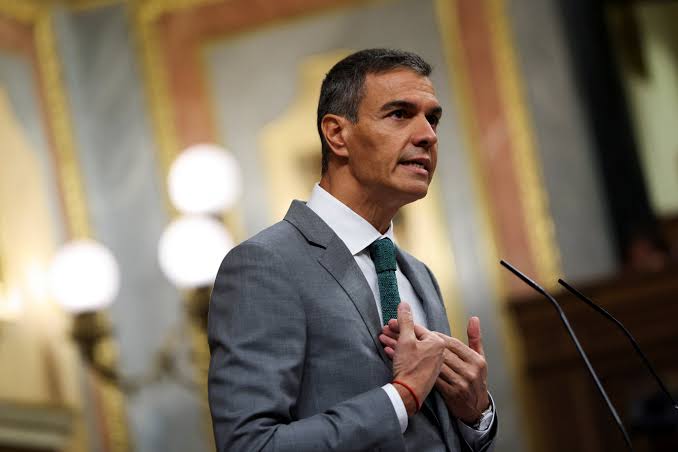
Spain has found no evidence proving that Moroccan authorities orchestrated the mass border crossing into the Spanish enclave of Ceuta in July, Prime Minister Pedro Sánchez told parliament on Thursday, rejecting allegations raised by a Spanish police report.
More than 70,000 people reportedly surged towards Ceuta on July 30 and 31, in one of the largest border crises to hit the Spanish territory. The rush resulted in deaths and left thousands of migrants inside the enclave, while Spanish and Moroccan authorities struggled to restore control.
Sánchez said Spanish intelligence agencies had found no concrete evidence that the Moroccan government deliberately organised the influx. He also said no diplomatic institution, including the European Commission, had provided evidence supporting the claim that Rabat had orchestrated the operation.
His comments came after a leaked report by Spain’s National Immigration and Border Centre raised questions over Morocco’s role. The report described what it called unusual permissiveness by Moroccan security forces and cited accounts of migrants who claimed Moroccan officers helped direct people towards the border.
However, Spain’s police leadership has disputed interpretations that the report directly accuses Morocco of planning or executing the crisis. Police chief Francisco Pardo Piqueras reportedly told Interior Minister Fernando Grande-Marlaska that the document did not attribute the organisation or execution of the mass crossing to Moroccan authorities.
The police investigation nevertheless concluded that social media played a major role in mobilising migrants. Spanish investigators identified coordinated messages on platforms including TikTok, Instagram, Facebook and WhatsApp that encouraged people to head towards the border, with many messages containing false information about access to Ceuta.
The dispute has become politically sensitive because Spain and Morocco have developed close cooperation on migration in recent years. Sánchez has defended that relationship, while opposition parties have accused his government of failing to properly assess the security implications of the July influx.
For now, the central question remains unresolved: whether Moroccan authorities merely failed to stop an unexpectedly large movement of migrants, deliberately tolerated it for a period, or played a more active role. Sánchez says there is currently no solid evidence establishing the latter.
The controversy could nevertheless put further strain on Spain-Morocco relations and intensify domestic debate over border security, migration policy and the government’s handling of one of the most serious crises ever experienced in Ceuta.
