


Mauritius Extends Curfew Until Friday After Cost-of-Living Protests Turn Violent
Mauritius has extended a curfew until Friday morning across several parts of the island following rare violent protests over rising living costs and water shortages, which intensified after a police officer shot and wounded a woman.
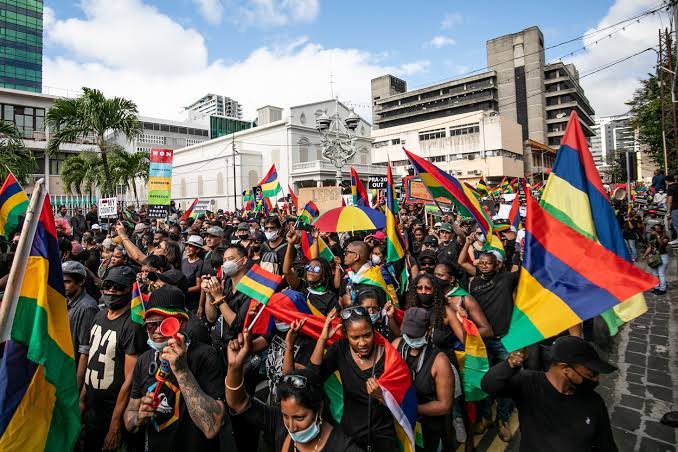
The government announced the extension on Wednesday, October 14, after a special Cabinet meeting, with restrictions affecting several administrative regions, mainly around major towns. Schools across the country have also been ordered to remain closed on Thursday and Friday.
The unrest began over water shortages and the rising cost of living before escalating following the shooting of 27-year-old Élodie Thomas in Beau Bassin-Rose Hill, southwest of the capital, Port Louis.
Thomas was reportedly travelling home from work when she was shot. She underwent surgery to remove a bullet, according to the health authorities. A police sergeant has been arrested in connection with the incident, while three other officers were suspended over their alleged failure to assist the injured woman.
Protesters subsequently blocked roads with burning tyres, clashed with police and damaged public property, including police stations and surveillance equipment.
Authorities reported 94 arrests since the unrest began, including 16 minors, while seven police officers were injured during the disturbances.
Prime Minister Navin Ramgoolam condemned the violence, warning that those involved in looting and destruction would face serious consequences. The government also said it was considering changes to the law concerning the detention and prosecution of minors involved in the unrest.
Mauritius, an Indian Ocean island nation whose economy relies heavily on tourism, financial services and textiles, is generally regarded as one of Africa’s more stable countries. The latest unrest highlights growing public frustration over essential services and household expenses.
The government’s immediate challenge is to restore order while addressing the economic and public-service concerns that helped trigger the demonstrations.
