


Police Raid Kaduna Media House, Declare Journalist Wanted Over Tinubu Aide Video
The reported police raid of a media organisation in Kaduna and the declaration of journalist Zainab Salihu Yabagi as wanted over a video concerning a presidential aide have triggered fresh concerns over press freedom and the treatment of journalists in Nigeria.
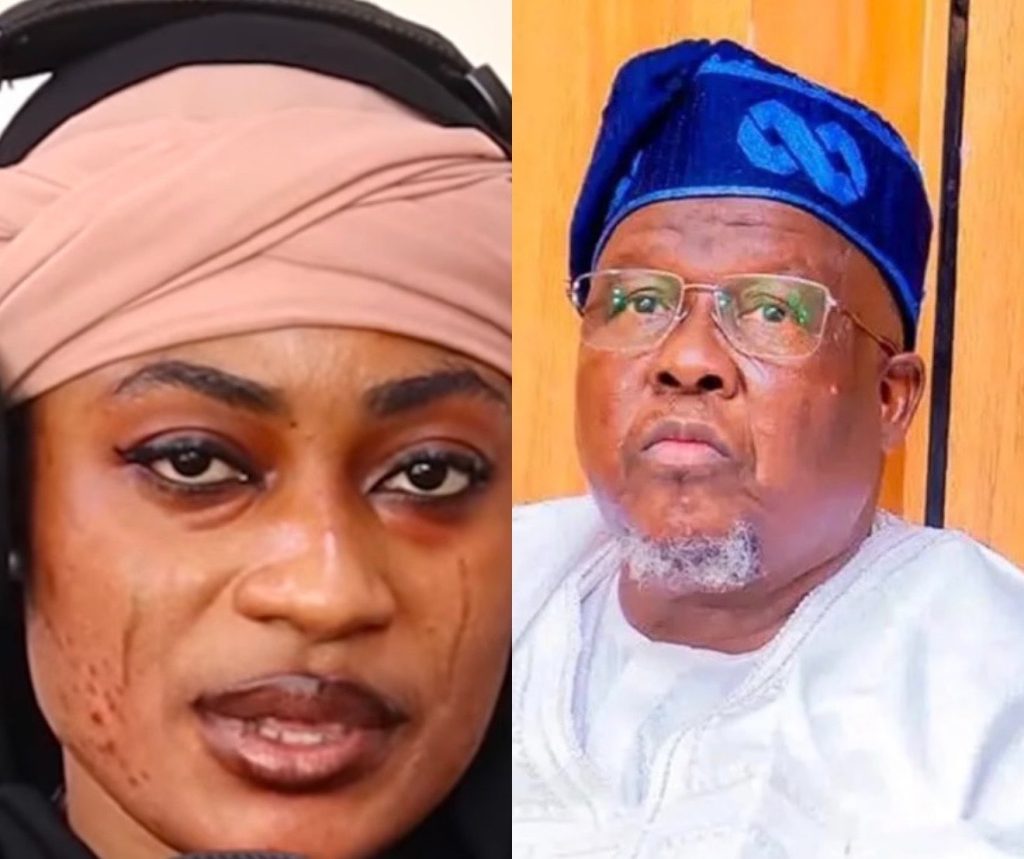
The Kaduna State Police Command reportedly declared Yabagi wanted following a video explainer produced by JKD Radio/Television about Ibrahim Kabir Masari, Special Adviser to President Bola Tinubu on Political Affairs. Amnesty International said police officers subsequently invaded the station’s premises in Millennium City, Kaduna, on September 11.
According to Amnesty International and the station’s management, the heavily armed officers initially said they were looking for Yabagi in connection with a “stolen phone.” During the operation, General Manager Charles Abah and a security guard were arrested and detained. Reports from the station and rights groups said they were held for more than seven hours.
Yabagi was later reported to be wanted in connection with allegations including criminal conspiracy, defamation, cyberstalking and bullying linked to the broadcast. The exact allegations and the police’s full account of the case have not been publicly detailed in the reports reviewed.
The incident has drawn condemnation from Amnesty International and the Human Rights Writers Association of Nigeria (HURIWA), which called for an end to what they described as harassment and intimidation of the journalist and media organisation. HURIWA said disputes over alleged defamation should be addressed through due process and the courts.
The Nigeria Association of Women Journalists (NAWOJ), while stressing that journalists must operate within the law, has called for dialogue and restraint among the police, JKD Radio/Television and other parties involved.
The Kaduna State Police Command had not, in the sources reviewed, publicly provided a detailed response to the allegations surrounding the raid.
The case has renewed debate over the balance between law-enforcement powers and press freedom in Nigeria, particularly when journalists face criminal complaints arising from their reporting or commentary on public officials.
