


Race to Succeed Guterres Begins as UN Faces Uncertain Global Landscape
With the term of United Nations Secretary-General António Guterres set to end in December, attention is turning to who will lead the United Nations through a period of rising geopolitical tensions and declining global trust.
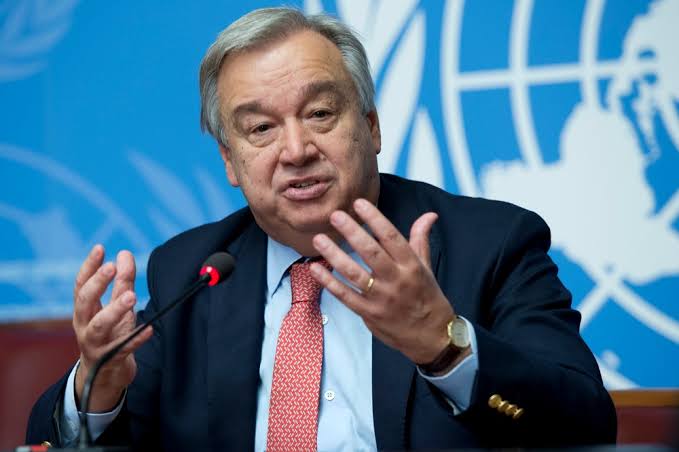
The leadership transition comes at a critical time for the UN, as conflicts, climate crises, and economic instability continue to test the effectiveness of multilateral institutions. Analysts say the next Secretary-General will face mounting pressure to reform the organisation while maintaining neutrality among increasingly divided global powers.
Diplomatic sources indicate that potential candidates are already positioning themselves ahead of what is expected to be a highly contested selection process involving the UN Security Council and General Assembly. Regional balance, gender representation, and political alignment are likely to play key roles in determining the outcome.
Observers note that waning confidence in international cooperation—driven by rivalries among major powers—has complicated the UN’s ability to respond decisively to global crises. The next leader will be tasked with restoring credibility, strengthening peacekeeping efforts, and advancing climate and development goals.
As discussions intensify, the choice of successor to Guterres is expected to shape the direction of global diplomacy for years to come.
