


Sentencing of terrorists sparks criticisms over delay in Justice System
The Federal High Court in Abuja on Friday sentenced a 37-year-old man, Zakaria Garba, to death by hanging for his role in the deadly 2014 Nyanya Motor Park bomb explosions that killed dozens and injured many others.
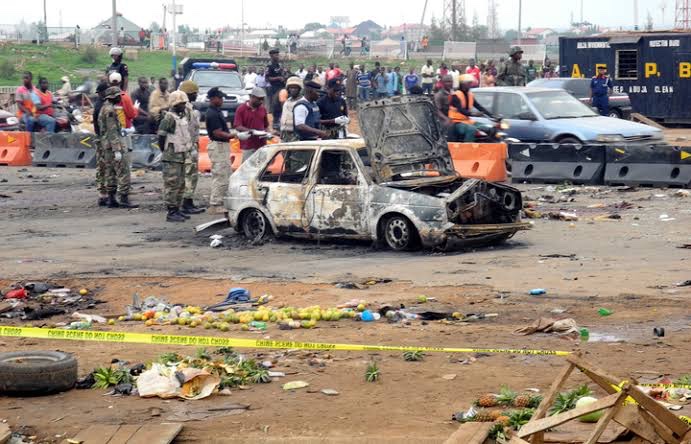
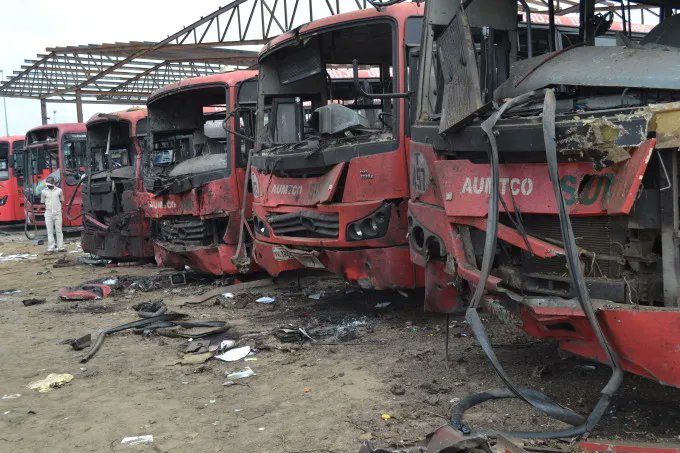
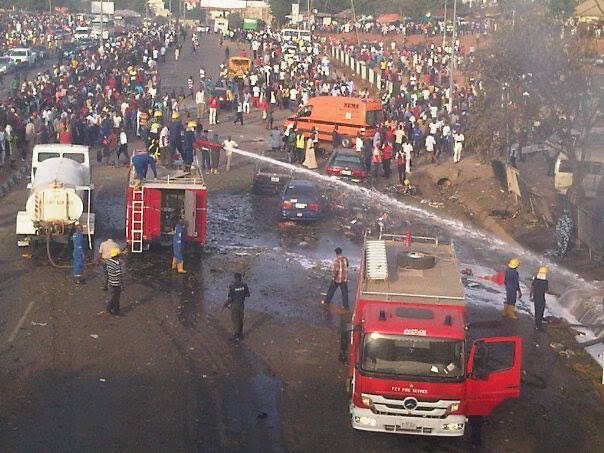
Delivering judgment, the court found Garba guilty ofl terrorism-related offences linked to the coordinated attacks that struck Nyanya, a densely populated suburb on the outskirts of the Federal Capital Territory. The explosions, which occurred during morning rush hour, targeted commuters at a busy motor park and remain among the deadliest incidents in Nigeria’s capital.
The prosecution told the court that Garba was directly involved in facilitating the attacks, which were attributed to the extremist group Boko Haram. Evidence presented included witness testimonies and security reports linking him to the planning and execution of the bombings.
The Nyanya attacks, carried out in April 2014, left more than 70 people dead and scores injured, drawing widespread condemnation both locally and internationally. The incident marked a significant escalation of insurgent activity beyond Nigeria’s northeast, bringing the threat closer to the nation’s political center.
Garba’s conviction follows years of investigation and prosecution as Nigerian authorities continue efforts to bring perpetrators of terrorism to justice. Security analysts say the ruling underscores the government’s ongoing crackdown on extremist networks and its commitment to accountability for mass-casualty attacks.
Legal experts note that under Nigerian law, terrorism-related offences resulting in loss of life can attract capital punishment. However, appeals remain a possibility, and the case may proceed to higher courts for further review.
The judgment comes amid continued security operations across northern Nigeria, where military forces are battling insurgent groups responsible for attacks on civilians and infrastructure.
The Nyanya bombings remain a painful memory for many families, with survivors and relatives of victims still seeking closure more than a decade after the tragedy.
