


Stakeholders Seek Digital Push to Unlock Nigeria’s Agricultural Potential
Stakeholders in Nigeria’s agricultural sector have called for greater adoption of digital technology, stronger partnerships and supportive government policies to improve productivity, reduce losses and expand market access. The call was made at the Digital Agricultural Ecosystem Forum 2026, organised under the Farm-to-Table Digital Innovation Programme with partners including the Abuja Chamber of Commerce and Industry (ACCI), the University of Abuja Centre for Entrepreneurship Studies, Innovo and Crescentia Limited, with support from the German Development Cooperation and the European Union. Participants identified artificial intelligence, precision farming, drones, remote sensing and digital marketplaces as tools that could address challenges across the agricultural value chain.
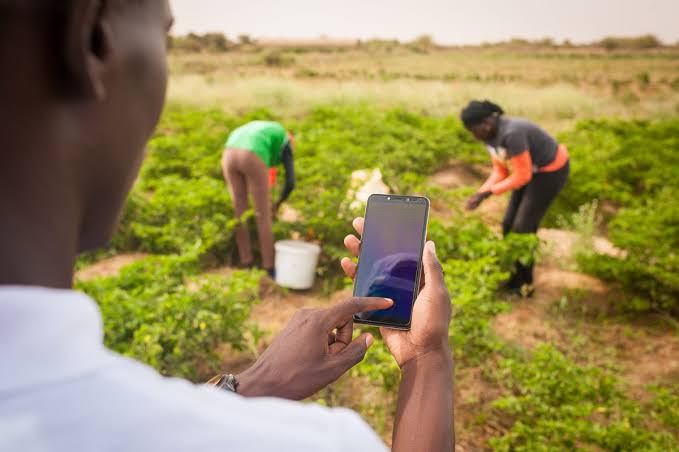
Representing the Minister of Agriculture and Food Security, Deputy Director Ogbodo Collins said the sector faces climate variability, low productivity, poor extension services, limited financing, fragmented value chains and post-harvest losses. He stressed the need for affordable and accessible technology backed by effective policies, research and collaboration. ACCI Director General, Agabaidu Jideani, also described digital innovation as key to improving farmers’ productivity, market access and profitability.
The forum also featured the launch of the Farm-to-Table Digital Innovation Hub, which will connect farmers, researchers, start-ups, investors, development partners and policymakers while providing business incubation, training, investment matchmaking and technology transfer. SMEDAN’s Director of Agriculture Development, Ime Andy, said digital agriculture could support economic diversification, create jobs and strengthen agri-based businesses.
The Cassava Growers Association of Nigeria highlighted digital traceability as a way to improve agricultural exports. Its representative, Mustapha Uthman, said the association was developing a database using farmers’ biometric and farm-location data to help buyers verify the origin of cassava products. Of more than 266,000 registered cassava farmers, only about 8,500 have been fully digitised due to funding and logistical challenges. Participants called for increased investment in digital infrastructure, farmer sensitisation and systems linking transportation, storage and markets to reduce post-harvest losses.
