


DR Congo to Begin Ebola Vaccine Trial as Outbreak Surpasses 9,000 Cases
The Democratic Republic of Congo is expected to begin its first clinical trial of an Ebola vaccine against the current outbreak by the end of October, as infections from the deadly virus surpass 9,000 and fatalities exceed 4,000.
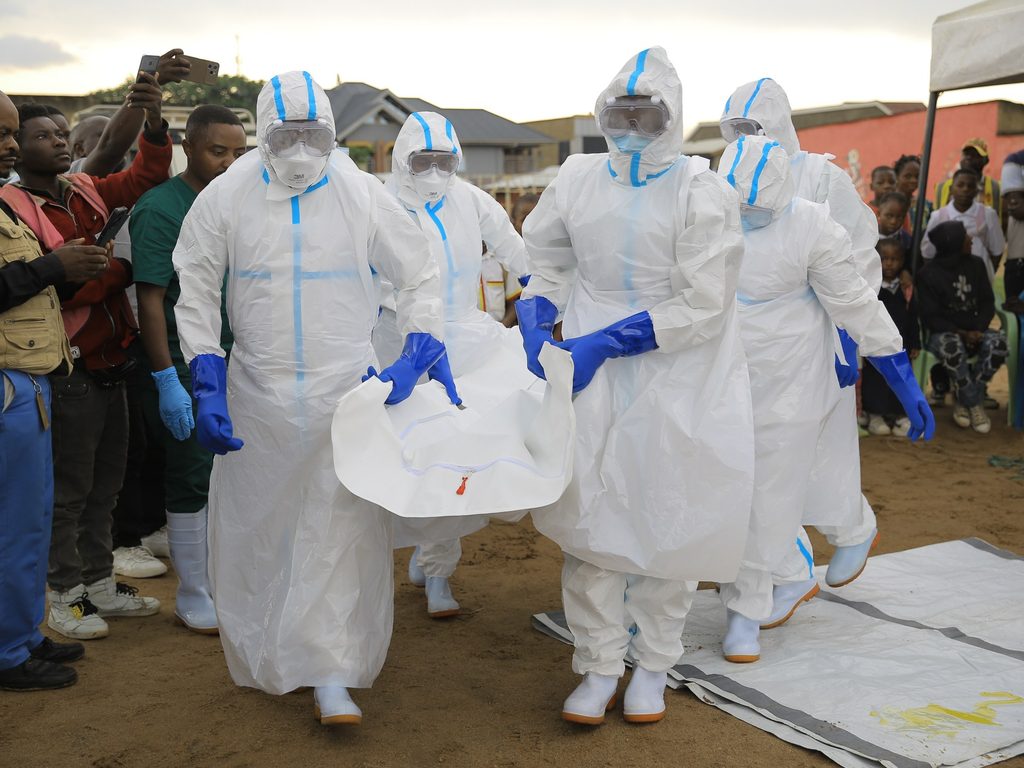
World Health Organization experts said on Tuesday they had received strong assurances that the trial would begin before the end of the month. The study will assess whether an existing Ebola vaccine can protect against the Bundibugyo strain responsible for the outbreak.
According to Congolese health authorities, the country had recorded 9,066 confirmed cases and 4,381 deaths as of October 11, making this its largest and deadliest Ebola outbreak on record.
The outbreak, which began in May, has spread across multiple provinces, placing significant pressure on an already strained healthcare system.
The vaccine selected for initial evaluation is Ervebo, which is approved for protection against the Zaire strain of Ebola. However, its effectiveness against the Bundibugyo strain remains unknown.
There are currently no vaccines or specific treatments approved for preventing or treating Bundibugyo virus disease, making clinical research a priority for health authorities.
Anthony Scott, chair of the WHO’s Strategic Advisory Group of Experts on Immunisation, said the organisation had received assurances that the trial would begin before October ends.
The trial is expected to help determine whether Ervebo provides protection against the strain and could inform future vaccination strategies.
The outbreak has also raised concerns about cross-border transmission. Kenya recently reported an imported case involving a traveller from Congo who died in Nairobi, prompting public health authorities to strengthen surveillance and contact tracing.
Health experts warn that controlling the outbreak will require sustained efforts to identify infections, trace contacts, improve access to care and build community trust.
The planned vaccine trial represents a significant step in the response, although its findings will be needed before the vaccine’s effectiveness against the Bundibugyo strain can be established.
