


Ghana Moves to Regulate EV Charging Stations, Battery Swapping
Ghana is moving to regulate its growing electric vehicle (EV) charging sector, with new rules covering charging stations and battery-swapping systems awaiting parliamentary approval.
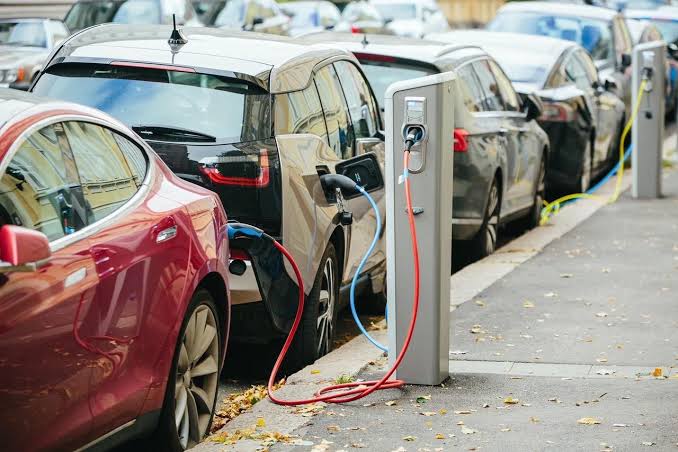
The Energy Commission says the proposed regulations are intended to establish safety standards, licensing requirements and registration procedures as electric mobility expands across the country.
Joyce Caitlyn Ocansey, coordinator of the Commission’s Drive Electric Programme, said the framework would provide clearer rules for operators and investors while ensuring charging infrastructure develops alongside the country’s electricity network.
The proposed rules cover residential, workplace, public and commercial charging facilities, as well as battery-swapping services. They also address the handling and recycling of used EV batteries, which could otherwise become a growing electronic-waste problem.
Under the framework, operators would be required to meet technical and safety standards, while relevant businesses and service providers would face licensing and certification requirements.
The Commission is also working with the Ministry of Transport and other institutions to establish standards for electric cars, motorcycles and tricycles entering the Ghanaian market.
Beyond safety, the regulations could help attract private investment into charging infrastructure, an important requirement for wider EV adoption. The Commission has also explored solar-powered charging stations as part of efforts to support the emerging market.
However, the expansion of charging facilities presents challenges, including electricity-grid capacity, the availability of charging points and the safe disposal of batteries.
Ghana’s move reflects a broader effort to prepare its transport and energy sectors for the transition to electric mobility. The proposed regulations will need to complete the parliamentary approval process before their full requirements can take effect.
