
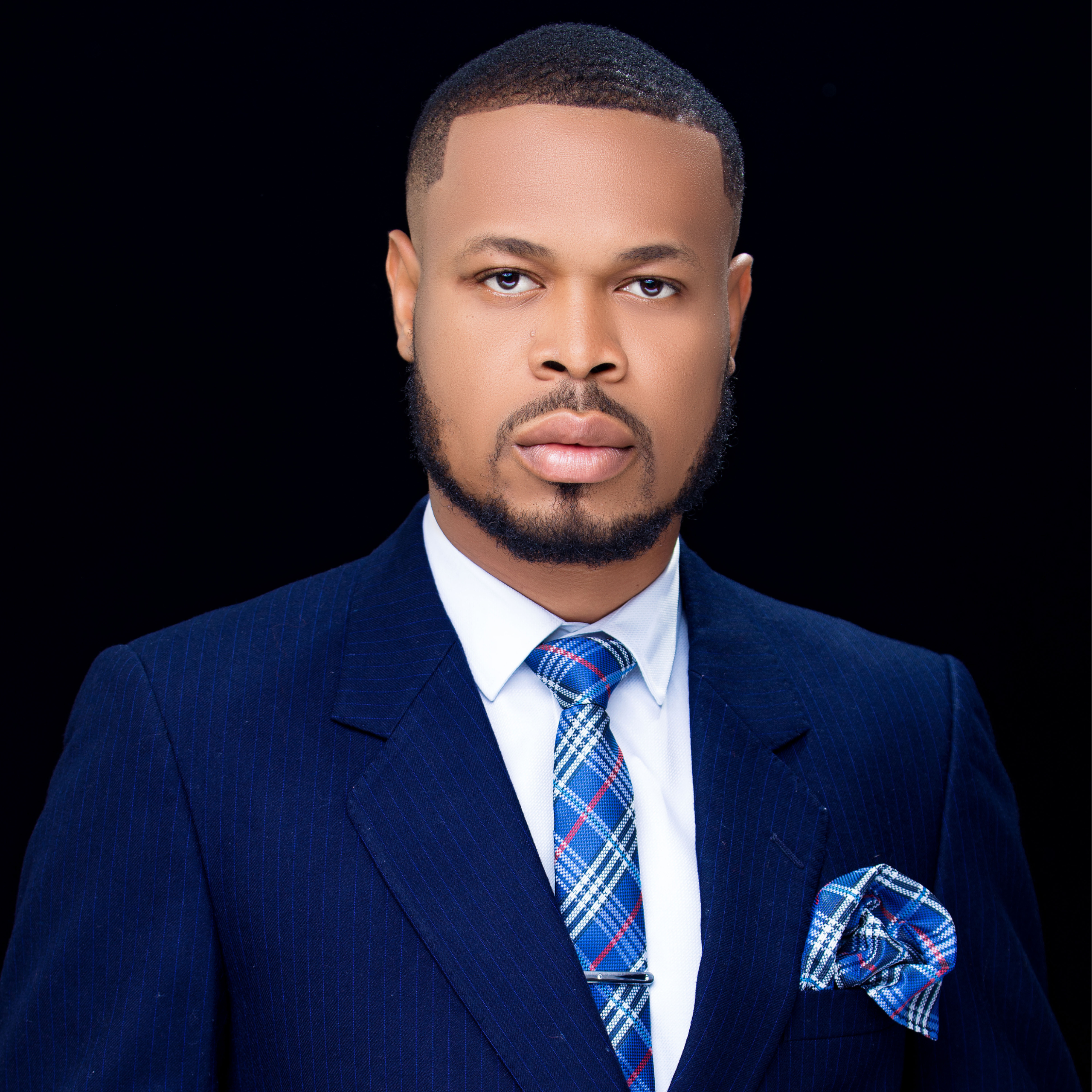
Ugandans prepare to cast their ballots in highly charged election
Is Bobi Wine the Leader Uganda Needs?
Ugandans are once again heading to the polls in a highly charged presidential election that could define the country’s political future.
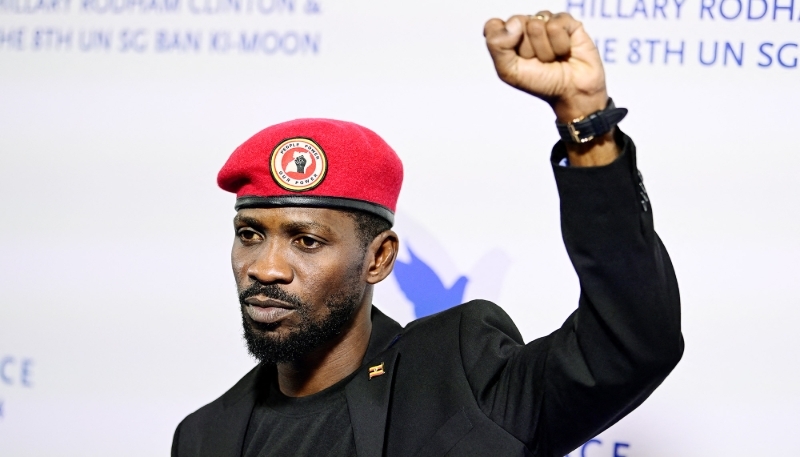
At the centre of the contest is pop-star-turned-politician Bobi Wine, who is challenging President Yoweri Museveni, Uganda’s long-serving leader who has been in power since 1986. Wine, widely known as the “Ghetto President,” presents himself as the face of generational change, promising to dismantle decades of entrenched rule and return power to ordinary Ugandans.
Also Read: Nigerian Football Fans’ Love-Hate Relationship With Victor Osimhen
Museveni, now in his late seventies, is seeking another term after nearly four decades at the helm of the East African nation. His government argues that it has delivered stability, security, and economic growth. However, critics say that long years in power have also been marked by shrinking democratic space, corruption, and the systematic silencing of dissent.
A Contested Political Climate
The lead-up to the election has been marred by controversy, with opposition figures and civil society groups accusing the government of heavy-handed tactics. Reports of arrests of opposition supporters, restrictions on political rallies, and intimidation have raised concerns about the credibility of the process.
One of the most contentious issues has been the use of internet shutdowns and social media restrictions, a measure authorities justify as necessary for national security but which critics argue is aimed at suppressing mobilisation and limiting access to information during the campaign period.
Security forces have also been deployed heavily across major cities, especially in opposition strongholds, reinforcing fears of a clampdown on dissent.
Bobi Wine’s Challenge
Bobi Wine, whose real name is Robert Kyagulanyi Ssentamu, first emerged as a political force after winning a parliamentary seat in 2017. His music, which often speaks to poverty, inequality, and state violence, earned him widespread popularity among Uganda’s youth — a demographic that makes up the majority of the population.
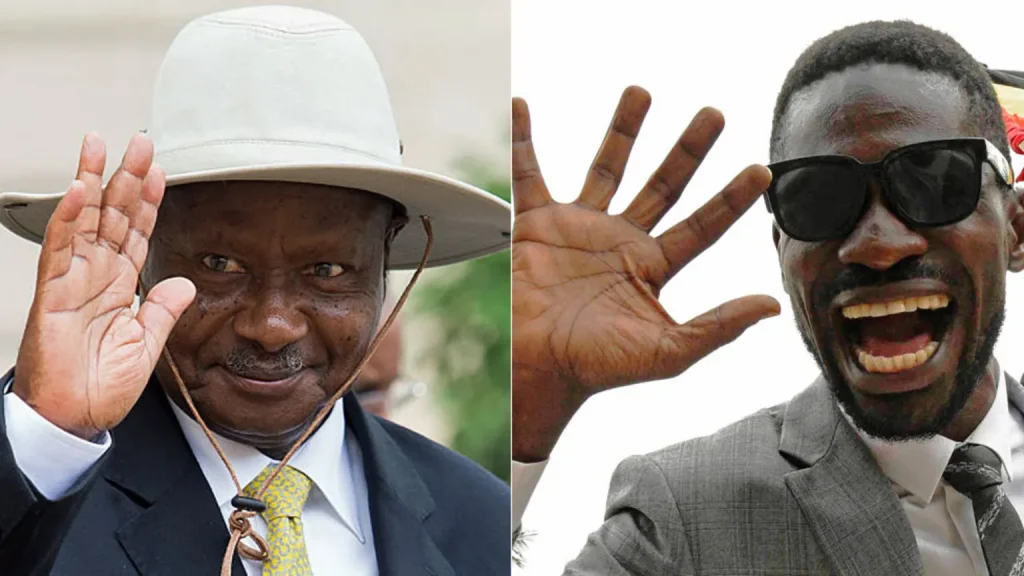
He previously ran against President Museveni in the last election cycle, finishing second amid allegations of widespread irregularities. Wine rejected the results, citing voter intimidation, ballot stuffing, and violence against his supporters. The government denied the claims.
This time, Wine says the stakes are even higher.
“We are fighting for freedom, dignity, and the future of our country,” he has repeatedly told supporters, framing the election as a struggle between an aging political order and a new generation demanding accountability.
The Bigger Question
As Ugandans prepare to cast their ballots, the central question remains: Is Bobi Wine the leader Uganda needs?
Supporters see him as a courageous reformer capable of breaking the cycle of authoritarian rule. Critics argue he lacks the experience to govern a complex nation and accuse him of relying too heavily on populist rhetoric.
What is clear is that the election is more than a contest between two men — it is a referendum on Uganda’s political direction, democratic freedoms, and the aspirations of a young and restless population.
Whether the vote brings change or continuity, the outcome is likely to shape Uganda’s trajectory for years to come.