


Nigeria Cuts Key Interest Rate by 3.5 Percentage Points, Biggest Reduction Since 2006
Nigeria’s central bank has cut its benchmark interest rate by 3.5 percentage points to 23%, its largest reduction since 2006, as Governor Olayemi Cardoso said the economy had shown greater resilience and stability.
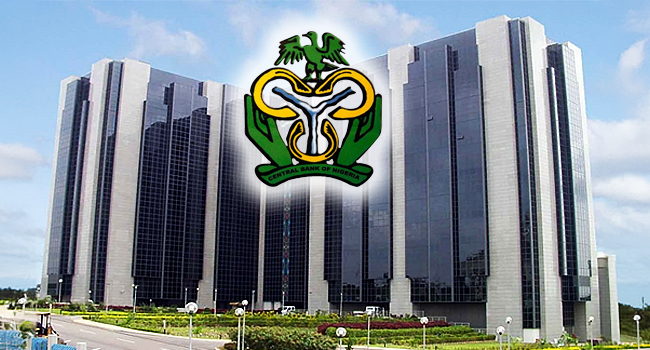
The Central Bank of Nigeria (CBN) announced the decision after its Monetary Policy Committee meeting on September 21–22, reducing the Monetary Policy Rate from 26.5% to 23%. The committee also adjusted its standing facilities corridor while retaining banks’ existing cash reserve requirements.
Cardoso described the move as an “operational reset” rather than a change in the bank’s underlying monetary-policy stance. He said previous tightening measures had helped moderate inflation, strengthen foreign-exchange stability and improve investor confidence.
The MPC noted that headline inflation eased to 15.39% in August, while the economy grew by 4.43% in the second quarter of 2026. Nigeria’s gross external reserves stood at $55.25 billion as of September 18, according to the committee.
The rate reduction is expected to lower borrowing costs over time, potentially providing relief to businesses and consumers. However, analysts have also warned that cheaper credit could create renewed inflationary and foreign-exchange pressures if monetary conditions ease too quickly.
The CBN said future policy decisions would remain data-dependent, with the next MPC meeting scheduled for November 23–24.
