


Nigeria Intensifies Probe Into Football Crisis as Lawmakers Scrutinise NFF
Nigeria is stepping up scrutiny of the country’s football administration as lawmakers investigate issues surrounding the Nigeria Football Federation (NFF) and the National Sports Commission amid growing concerns over the country’s declining fortunes in international football.
The latest development comes from the Senate Committee on Sports Development, which has summoned senior officials of the National Sports Commission and the NFF as part of its oversight activities. Committee chairman Senator Abdul Ningi criticised the repeated failure of the two bodies to honour invitations, warning that the Senate would not allow attempts to frustrate its constitutional oversight responsibilities.
The Senate inquiry adds to a separate investigation by the House of Representatives into the management of approximately $25 million in FIFA and CAF grants received by the NFF between 2015 and 2025.
The House opened the probe after lawmakers raised concerns that the handling of funds intended for football development could be contributing to the country’s poor results.
The scrutiny comes against a backdrop of setbacks for one of Africa’s traditionally strongest football nations.
Nigeria’s Super Eagles failed to qualify for the 2026 FIFA World Cup, continuing a period of inconsistency that has seen the three-time African champions struggle in major competitions and qualification campaigns.
The team’s struggles have also raised questions about coaching appointments, technical planning, player management, grassroots development and the wider administration of Nigerian football.
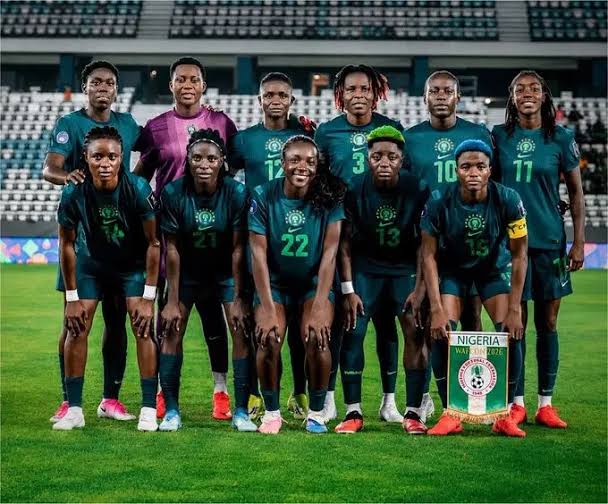
The problems are not limited to the men’s senior team. Nigeria’s football authorities are responsible for several national teams, including the Super Falcons, Falconets, Flamingos and junior men’s teams, making the effectiveness of the federation’s development structure crucial to the country’s long-term international competitiveness.
The government has previously responded to poor performances with demands for technical reviews. In June 2024, then-Sports Minister John Owan Enoh demanded a detailed technical report from the NFF after the Super Eagles collected only one point from their two World Cup qualifiers against South Africa and Benin Republic. He also raised questions about the competence of the federation’s Technical Committee and Technical Department.
The NFF subsequently moved to bring in a foreign technical adviser after the disappointing results.
The latest parliamentary scrutiny therefore represents a broader question than the performance of any single coach or generation of players: whether Nigeria’s football development and administrative system is producing the results expected from a country with one of Africa’s deepest pools of football talent.
The NFF itself has continued to announce measures aimed at strengthening domestic football. At its July 2026 executive committee meeting, the federation said the Federal Government was providing a special intervention fund for the Nigeria Premier Football League to improve its profile, commercial value and overall football economy.
The challenge now is turning those investments into sustainable development.
For Nigeria, the investigation could ultimately extend beyond questions of individual accountability to issues such as how football funds are spent, the development of youth academies, coaching standards, domestic league quality, scouting, infrastructure and the pathway from grassroots football to the national teams.
With Nigeria having missed the 2026 World Cup, the pressure on football administrators has intensified.
