


Trump Administration Accuses Canada, Mexico and Others of Helping China Evade US Tariffs
The Trump administration has accused Canada, Mexico and more than 40 other countries of helping Chinese manufacturers circumvent U.S. tariffs by routing goods through third countries before they enter the American market.
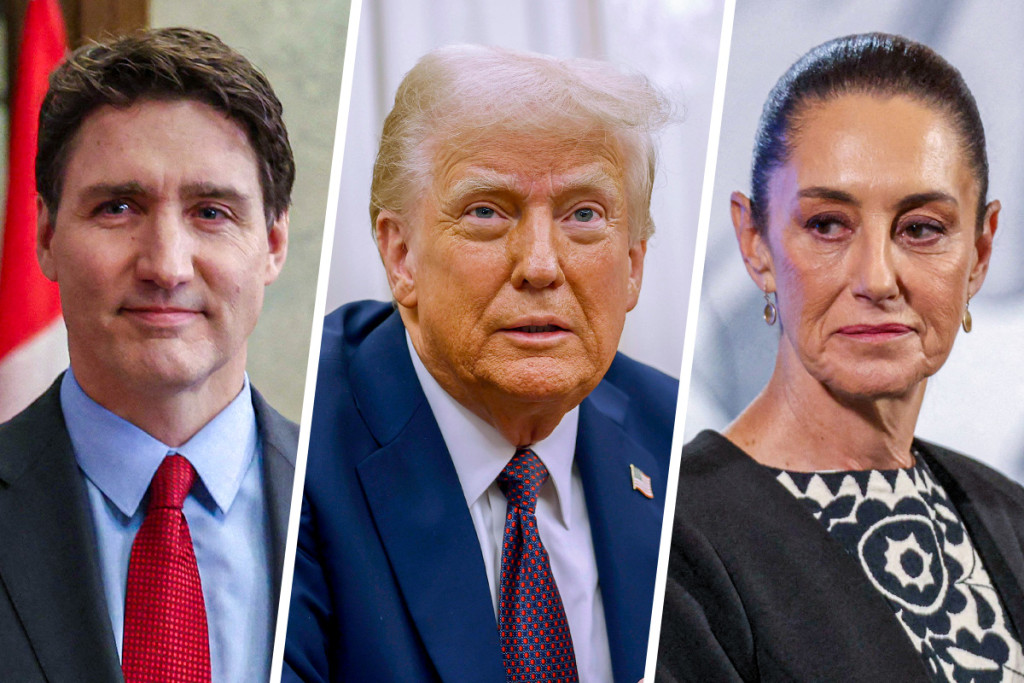
The accusation was contained in a new White House report released Thursday that describes what the administration calls “The Great Transshipment Scam.” The report argues that Chinese exporters have increasingly used third countries to disguise the origin of goods and avoid tariffs imposed on Chinese products.
According to the report, the United States could be losing between $19 billion and $26 billion annually in tariff revenue as a result of such practices. The White House estimates that around $60 billion in trade may have been routed through third countries to avoid U.S. duties, although independent estimates cited in the report range as high as $303 billion.
The practice, known as transshipment, occurs when goods produced in China are sent through another country before reaching the United States, potentially allowing them to be declared as originating from that intermediary country.
However, not every Chinese product manufactured or processed in Canada or Mexico constitutes illegal tariff evasion. Under the USMCA, Chinese components can legally be incorporated into products manufactured in North America if the goods satisfy the agreement’s rules of origin. The distinction between legitimate North American production and fraudulent transshipment is therefore important.
A 2025 study by the Brookings Institution found evidence that Chinese products were entering the U.S. market through Mexico and, to a lesser extent, Canada. But it also cautioned that some of the pathways involved legitimate integration of Chinese inputs into North American supply chains rather than illegal transshipment.
Mexico has become a particular focus because Chinese companies have expanded their manufacturing and supply-chain presence there. The U.S. has previously expressed concerns that Mexico could become a gateway for Chinese products seeking access to the American market under preferential USMCA rules.
The Trump administration is now proposing stronger enforcement measures. The White House says U.S. Customs will deploy an artificial-intelligence system known as “Detective Border” to analyse trade data and identify suspicious discrepancies involving the origin, routing and components of imported goods.
The development comes as Washington’s trade relationship with both Canada and Mexico is already under considerable pressure.
The United States is preparing additional tariffs on some Canadian products, including a 50% duty on certain Canadian motor-vehicle imports from August 19, while negotiations between Washington and Ottawa continue.
The accusations also come ahead of the scheduled review of the USMCA, making China’s growing role in North American supply chains likely to become one of the most contentious issues in the negotiations.
For China, the dispute highlights the increasing difficulty of accessing the U.S. market as Washington raises trade barriers. For Canada and Mexico, it creates a delicate balancing act: maintaining their own trade and investment relationships with China while convincing Washington that their markets are not being used to circumvent U.S. restrictions.
