


US Lifts 12-Year Entry Restriction on Nigerian Vessels
The United States has lifted a long-standing Condition of Entry (CoE) imposed on vessels arriving at U.S. ports from Nigeria, ending a restriction that had been in place for about 12 years over concerns about security standards at Nigerian ports.
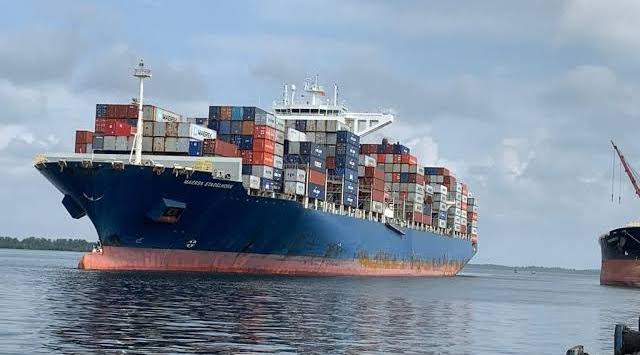
The restriction was introduced after U.S. authorities raised concerns about Nigeria’s compliance with the International Ship and Port Facility Security (ISPS) Code, particularly relating to access control, perimeter security and the protection of port facilities against terrorism.
The U.S. Coast Guard has been working with the Nigerian Maritime Administration and Safety Agency (NIMASA) to address those deficiencies. In March 2026, a USCG team conducted security assessments at Nigerian ports, including the Lagos Port Complex and Tin Can Island Port, as part of the process of reviewing the restrictions.
NIMASA had described the removal of the Condition of Entry as a major objective of its cooperation with the U.S. Coast Guard, saying improved compliance would strengthen Nigeria’s maritime security and facilitate international trade.
The CoE meant vessels arriving in the United States after calling at certain Nigerian ports could face additional security requirements and inspections, increasing costs and potentially causing delays in maritime trade.
The U.S. Coast Guard has authority under the Maritime Transportation Security Act to impose conditions on vessels arriving from ports that it considers not to maintain effective anti-terrorism measures.
For Nigeria, removing the restriction could improve the competitiveness of its ports and reduce additional costs for shipping operators serving the U.S. market.
It also represents a significant vote of confidence in the improvements made by Nigerian maritime authorities after years of engagement with U.S. security officials.
NIMASA has been working with the U.S. Coast Guard for several years to address the issue. In 2023, the USCG offered Nigeria a three-year programme involving periodic assessments of Nigerian ports and cooperation on ISPS compliance, with the ultimate objective of removing the Condition of Entry.
The latest inspections therefore represented the culmination of a prolonged effort to demonstrate that Nigerian ports had strengthened their security systems.
The development is particularly important as Nigeria seeks to expand its Blue Economy, attract shipping and logistics investment and position its ports as competitive gateways for West African trade.
